
Your cart is empty Continue Shopping
The role of storytelling in guided tours explained
Storytelling in guided tours is the practice of transforming historical facts and cultural information into structured narratives that create emotional connections between visitors and a place. Guides who master this skill do not simply recite dates and names. They build lasting memories through characters, conflict, and sensory detail that make every stop on a tour feel alive. Research from TravelSalesIQ confirms that storytelling-trained guides command price premiums and significantly higher review scores. For travellers and tour operators alike, understanding the role of storytelling in guided tours is the clearest path to richer experiences and stronger business results.
How does storytelling enhance information retention and visitor engagement?
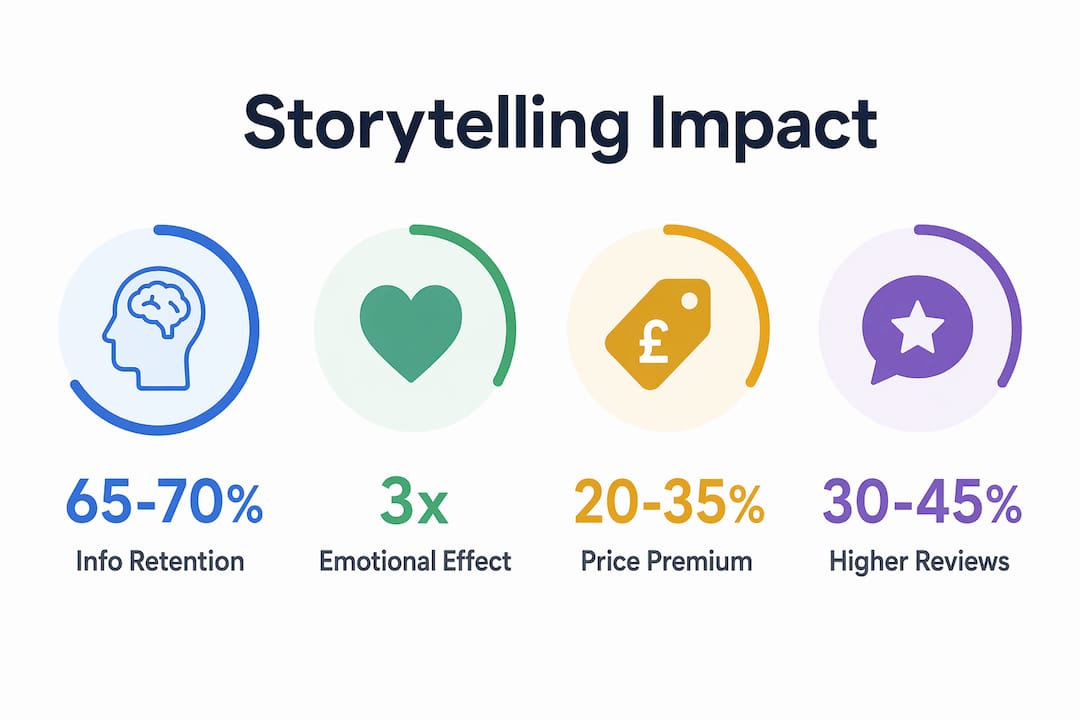
Visitors retain 65–70% of information presented as stories, compared to only 5–10% when presented as facts alone. That gap is not marginal. It means a guest who hears a dry recitation of dates will forget almost everything by the time they reach the car park, while a guest who hears a vivid narrative will still be recounting it at dinner.
The emotional dimension matters just as much as recall. Emotional experiences generated by storytelling are three times more likely to be shared on social media. For tour operators, that translates directly into organic marketing at no additional cost.

Research conducted at Ephesus Ancient City found that a guide’s storytelling performance positively affects tour satisfaction. The study also confirmed that gestures and facial expressions enhance the memorability of stories and increase the perceived attractiveness of the destination itself. A guide who uses their whole body to tell a story is not being theatrical for its own sake. They are anchoring the narrative in the visitor’s memory more effectively.
| Factor | Fact-based tours | Story-based tours |
|---|---|---|
| Information retention | 5–10% | 65–70% |
| Social media sharing | Low | 3x more likely |
| Guest satisfaction | Moderate | Significantly higher |
| Destination attractiveness | Standard | Increased |
Pro Tip: Ask guests one open question at the start of your tour, such as “Have you ever wondered why this castle was never finished?” Return to that question at the end. The callback creates a satisfying sense of closure that guests remember long after they leave.
What narrative techniques do expert guides use to captivate guests?
The most effective narrative techniques in guided tours share a common structure: a relatable character, a moment of conflict or tension, and a resolution that carries meaning. GetYourGuide’s guide training resource confirms that successful stories contain relatable characters, emotional hooks, and sensory details that anchor memories far more deeply than verbal facts alone.
Sensory engagement is one of the most underused tools in a guide’s repertoire. Inviting guests to smell a herb, taste a local food, or listen to the wind through a ruin creates a physical memory trace that verbal description cannot replicate. Local cuisine, for instance, carries cultural meaning that connects visitors to a place in ways that a plaque on a wall never will.
Strategic placement of the tour’s emotional highlight is equally important. GetYourGuide’s research recommends placing the tour highlight approximately two-thirds of the way through the experience. That positioning maximises emotional impact because guests are warmed up and engaged, but the tour has not yet wound down. The highlight becomes the moment guests describe to friends afterwards.
Narrative cohesion ties everything together. Guides who return to their opening story or question at the end of the tour give guests a sense of meaningful closure. Without that loop, even a well-told tour can feel unfinished.
Key narrative techniques used by expert guides:
- Character and conflict: Introduce a real historical figure with a clear dilemma. Conflict creates tension that holds attention.
- Sensory anchors: Use taste, smell, or sound at key moments to embed memories physically.
- The “so what” moment: After every story beat, make the significance explicit. Tell guests why this matters to them today.
- Emotional highlight placement: Build to the tour’s most powerful moment at roughly the two-thirds mark.
- Narrative callbacks: Close the tour by returning to the opening question or story thread.
What is the evidence for storytelling’s impact on tour business outcomes?
Storytelling is not just good for guests. It is measurably good for business. Storytelling-trained guides allow operators to command 20–35% price premiums and receive 30–45% higher review scores compared to fact-based tours. Tip percentages rise from 15% to over 30%, and rebooking rates double from 10% to above 20%.
Those numbers represent a fundamental shift in what a tour is worth. A guide who tells stories is not just more enjoyable. They are a direct revenue driver.
The academic evidence supports the commercial data. Research on storytelling as cultural meaning confirms that tourists develop deeper cultural understanding and are more likely to return when tours include meaningful narratives. Guides shift from information deliverers to interpreters of cultural identity. That shift changes how visitors perceive both the destination and the operator.
GuestFocus, a tour operator training resource, notes that story-based tours create emotional connections that drive authentic reviews, stronger brand loyalty, and consistent growth in leads and profits. Operators who adopt storytelling effectively become experience curators rather than logistics providers.
Business benefits for tour operators who adopt storytelling:
- Higher price points without resistance from guests
- Significantly improved review scores on platforms such as TripAdvisor and Google
- Increased tips and on-tour spending
- Doubled rebooking rates and stronger repeat business
- Authentic word-of-mouth referrals that reduce marketing spend
How can tour operators implement storytelling training effectively?
Storytelling is a trainable skill, not an innate talent. That distinction matters because it means every guide on a team can improve with the right framework and practice. TravelSalesIQ confirms that AI tools enable storytelling skills to be developed at scale, allowing consistent high-quality guest interactions across entire guide teams.
Structured frameworks give guides a repeatable process. The SHARE framework, for example, organises a story into Setting, Hook, Action, Resolution, and Emotion. Guides who learn this structure can apply it to any historical fact or cultural detail, turning raw information into a compelling narrative within seconds.
Roleplay and peer sharing are the most effective practice methods. Guides who perform stories in front of colleagues and receive immediate feedback improve faster than those who study alone. Pairing newer guides with experienced storytellers during live tours accelerates development further.
Operators should build storytelling into guide onboarding from day one, not treat it as an advanced module. Measuring impact is straightforward: track review scores, tip averages, and rebooking rates before and after training. The data will show the return clearly.
Pro Tip: When designing personalised tours, build the storytelling arc around the specific interests of the guest group. A family visiting Glenfinnan Viaduct responds to a different narrative thread than a whisky enthusiast on the Speyside trail. Tailoring the story to the audience is what separates a good guide from an exceptional one.
Practical steps for operators scaling storytelling across their teams:
- Introduce the SHARE framework during guide onboarding
- Schedule monthly roleplay sessions with peer feedback
- Pair new guides with experienced storytellers on live tours
- Track review scores and rebooking rates as training KPIs
- Use AI-powered training modules for consistent skill development at scale
Key takeaways
Storytelling in guided tours is the single most effective method for improving visitor retention, satisfaction, and tour business revenue simultaneously.
| Point | Details |
|---|---|
| Retention gap | Visitors retain 65–70% of story-based information versus 5–10% for facts alone. |
| Business impact | Storytelling-trained guides command 20–35% price premiums and double rebooking rates. |
| Narrative structure | Characters, sensory anchors, and narrative callbacks are the core techniques that make stories memorable. |
| Highlight placement | Placing the emotional climax two-thirds through the tour maximises guest recall and word-of-mouth. |
| Trainable skill | Storytelling can be scaled across guide teams using frameworks like SHARE and AI-powered training tools. |
Why storytelling changed how I see every tour I take
I have stood at the base of a Highland castle while a guide listed its construction date, its dimensions, and its ownership history. I retained none of it. I have also stood at the base of a different castle while a guide described the night a clan chief sent his youngest son out alone to light a signal fire, knowing the boy would not return. I still think about that story.
The difference is not the quality of the history. It is the presence of a human being at the centre of it. Guides who shape the Scottish Highlands experience through narrative give visitors something facts cannot: a reason to care.
The most common mistake I see is guides who build a strong opening and a powerful middle, then let the tour dissolve into logistics at the end. Closure is not optional. Returning to the opening question or story thread is what transforms a collection of stops into a complete experience. Guests who feel that closure are the ones who write the five-star reviews.
For operators, the investment in storytelling training pays back faster than almost any other operational change. The price premium data is compelling, but the real return is a guest who tells ten friends about their tour because they cannot stop thinking about it. That is the kind of marketing no budget can buy.
— Alin
Story-driven private tours of the Scottish Highlands with Skyehighlandstours
Skyehighlandstours builds every private tour around narrative, not just scenery. Each itinerary is designed with a guide who knows the cultural history of the Scottish Highlands deeply enough to tell it as a story, not recite it as a list.

Whether you are visiting the Isle of Skye, Loch Ness, or the Glenfinnan Viaduct, Skyehighlandstours matches you with a local expert who understands how to make each stop meaningful. The private Scottish Highlands tours are fully customisable by group size, interest, and pace. For travellers who want a tour that stays with them long after they return home, Skyehighlandstours offers specialised tour options built around exactly that goal.
FAQ
What is the role of storytelling in guided tours?
Storytelling in guided tours transforms factual information into emotional, memorable experiences. Visitors retain 65–70% of story-based content compared to just 5–10% of facts delivered without narrative structure.
How does storytelling benefit tour operators financially?
Storytelling-trained guides allow operators to charge 20–35% price premiums and achieve 30–45% higher review scores. Rebooking rates double and tip percentages rise from 15% to over 30%.
What narrative techniques work best for tour guides?
The most effective techniques include relatable characters, sensory anchors such as taste or smell, a strategically placed emotional highlight two-thirds through the tour, and a closing callback to the opening story or question.
Can storytelling skills be taught to guides?
Storytelling is a fully trainable skill. Structured frameworks like SHARE, peer roleplay sessions, and AI-powered training modules allow operators to develop consistent storytelling quality across entire guide teams.
How does storytelling affect destination appeal?
Research at Ephesus Ancient City shows that a guide’s storytelling performance increases the perceived attractiveness of a destination. Tourists who experience narrative-rich tours develop deeper cultural connections and are more likely to return.
4 Comments