
Your cart is empty Continue Shopping
What is a scenic landscape tour? Your complete guide
A scenic landscape tour is a planned travel experience that moves you through a succession of visually captivating environments, combining natural beauty with cultural exploration along a carefully designed route. Unlike a single-destination holiday, this type of guided excursion, known in the travel industry as a touring holiday or scenic byway journey, integrates transport, accommodation, and expert guidance into one managed itinerary. The result is a trip where you spend your energy absorbing extraordinary places rather than organising logistics. Skyehighlandstours specialises in exactly this kind of experience across the Scottish Highlands, from the Isle of Skye to Loch Ness and the Glenfinnan Viaduct.
What is a scenic landscape tour and what does it include?
A scenic landscape tour is defined as a multi-stop travel itinerary that prioritises visual and cultural richness over the shortest possible route. The industry term is a touring holiday, and touring holidays combine transport, lodging, and guided experiences into a single managed package, with all logistics handled by the operator. That means you arrive at each destination without the stress of booking transfers or hunting for accommodation.
The core distinction between a scenic tour and a standard package holiday is intentionality. Every stop is chosen because it adds visual, cultural, or natural value to the overall experience. A tour through the Scottish Highlands, for example, does not simply connect cities. It threads together sea lochs, ancient glens, historic viaducts, and whisky distilleries into a coherent narrative of place.
Scenic landscape tourism has grown significantly as travellers move away from city-centric breaks and seek deeper connections with natural environments. The format suits a wide range of travellers, from those who want a leisurely pace through rolling countryside to those who want active excursions into mountain terrain.
What are the key features of a scenic landscape tour?
The practical components of a well-designed scenic tour fall into four clear categories.
- Integrated transport. Operators use a mix of private road coaches, scenic trains, and local watercraft to maximise landscape exposure at every stage. The mode of transport is chosen for the view it offers, not just the speed.
- Managed accommodation. Lodging is selected to complement the surrounding environment, whether that means a lochside hotel in the Highlands or a coastal inn on the Isle of Skye.
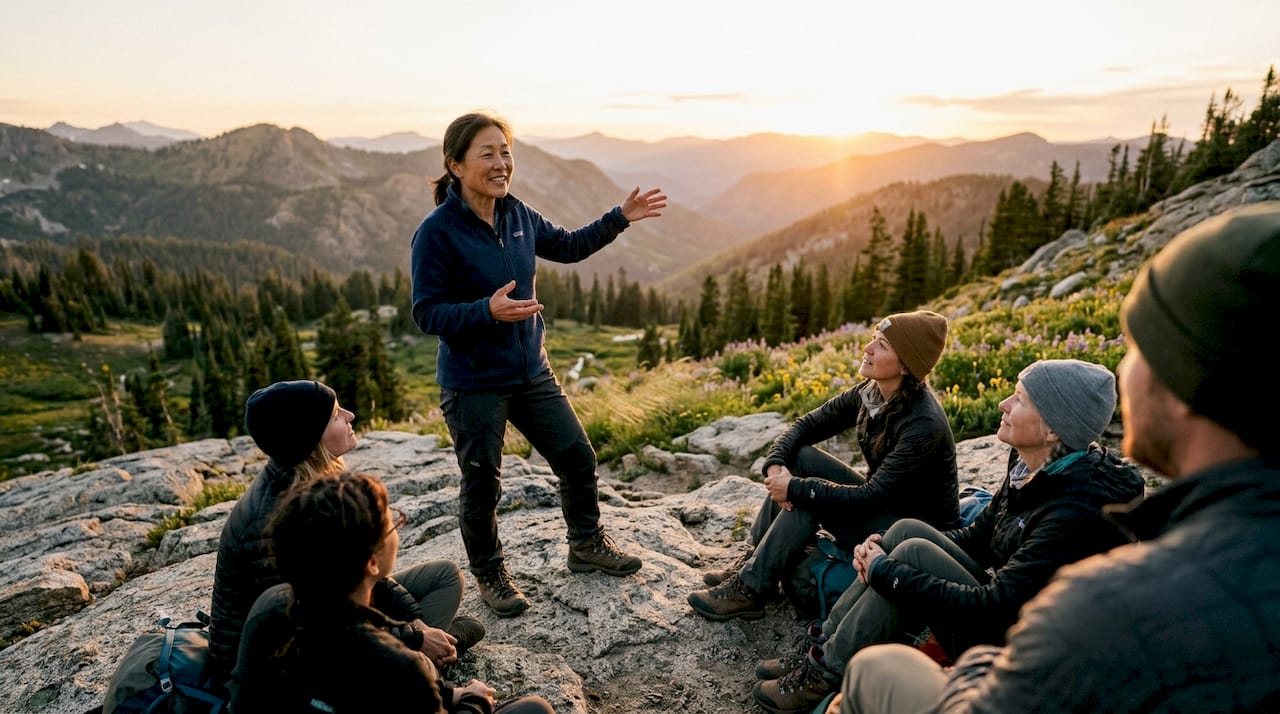
- Expert local guides. Guides enrich cultural and natural interpretation throughout the tour. A good guide does not simply name landmarks. They explain the geology, the history, and the human stories that make a place worth visiting.
- Varied landscapes. The best tours move through multiple terrain types: mountains, forests, lakes, and coastlines. This variety is what separates a scenic tour from a day trip.
The experiential value of combining these elements is considerable. Each part of the itinerary brings different cultural, natural, or culinary highlights, which increases how memorable the overall trip feels. A single afternoon in a Highland glen followed by an evening at a working distillery creates a layered experience that no single-location stay can replicate.
Pro Tip: When comparing scenic tour options, prioritise operators who offer flexible pacing and small group sizes. A slower pace at fewer stops almost always produces a richer experience than rushing through a long list of attractions.
How are scenic routes selected for landscape tours?
Route design is where scenic landscape tourism becomes genuinely scientific. Scenic route algorithms prioritise visual quality over shortest distance, resulting in routes that are 20–30% longer but significantly richer in aesthetic value. That extra distance is not inefficiency. It is the product of deliberate choices about what you see and when you see it.
The criteria used in route planning differ sharply from those used in standard travel itineraries. The table below shows how the two approaches compare.
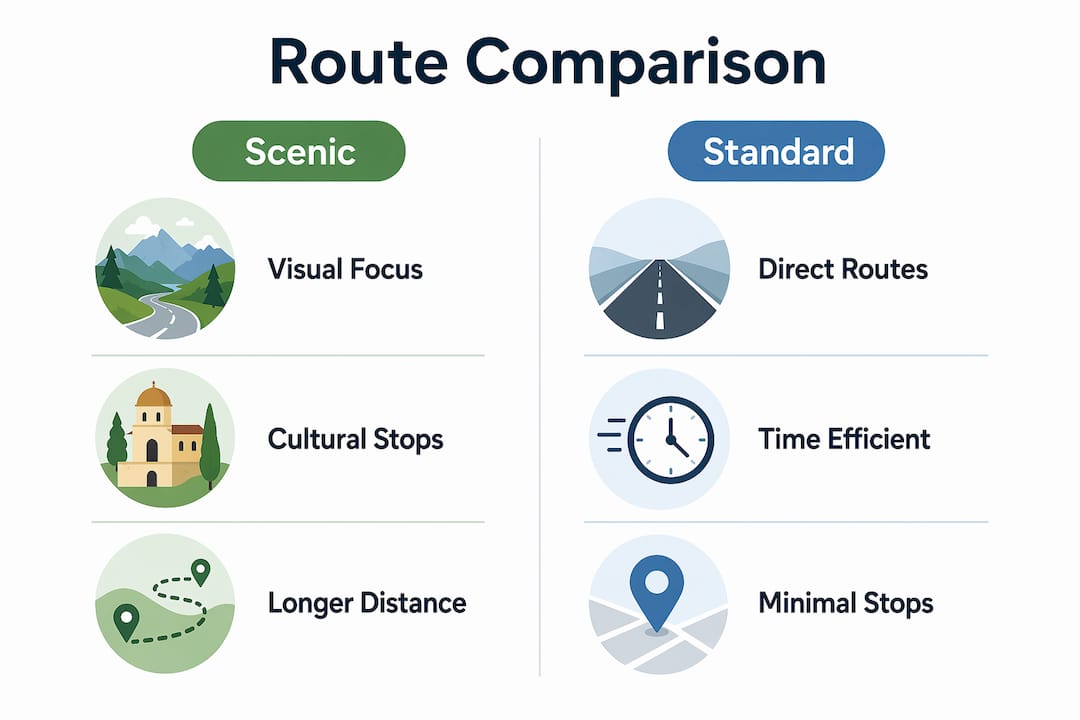
| Criteria | Scenic tour route | Standard travel route |
|---|---|---|
| Primary goal | Visual and cultural richness | Shortest distance or fastest time |
| Elevation changes | Prioritised for dramatic views | Minimised for comfort |
| Water body proximity | Actively sought | Incidental |
| Historic site density | High, deliberately included | Variable |
| Route length | 20–30% longer than direct | As short as possible |
| Authentic stops | Planned and unplanned | Planned only |
Route planning considers water body proximity, elevation changes, and historic site density as core inputs. In practice, this means a route through the Scottish Highlands might follow the shore of a sea loch for several miles simply because the visual quality justifies the additional distance.
One of the most interesting concepts in scenic route design is what researchers call accidental irregularity. Authentic, unplanned stops add significant experiential depth that pre-planned attractions alone cannot provide. A guide who pulls over because a golden eagle is circling above a glen, or who knows a roadside waterfall that does not appear on any map, creates a moment that travellers remember for years. This is why the quality of a guide matters as much as the quality of the route itself. You can read more about this in Skyehighlandstours’ piece on storytelling in guided tours.
Why do multi-ecosystem journeys make the best landscape tours?
The most satisfying scenic tours move through more than one type of natural environment. A journey that takes you from open moorland to dense forest to a sea loch and then to a coastal headland engages your senses in a way that a single landscape simply cannot. Multi-ecosystem journeys combining mountains, forests, and lagoons enhance nature immersion and cultural richness over singular environment tours. The contrast between environments is part of what makes each one feel vivid.
There is solid science behind this preference. High-naturalness environments such as mountains and water bodies have documented restorative effects, reducing mental fatigue and increasing destination loyalty. Travellers who experience genuinely wild landscapes report higher satisfaction and are more likely to return to the same region. That is a meaningful finding for anyone choosing between a resort holiday and a guided scenic excursion.
The benefits of multi-ecosystem travel include:
- Mental restoration. Moving through varied natural settings reduces cognitive fatigue more effectively than staying in a single environment, however beautiful.
- Cultural depth. Different landscapes carry different histories. Highland glens, coastal fishing villages, and ancient forests each have their own stories, food traditions, and architectural character.
- Increased memorability. Variety creates distinct mental chapters in a trip. Travellers recall multi-ecosystem tours more vividly than single-location breaks.
- Destination loyalty. Landscape imagery shapes pre-visit expectations and post-visit satisfaction. Travellers who feel a landscape exceeded their expectations are far more likely to recommend it and return.
This shift away from city-centric tourism towards nature-immersive routes reflects a broader change in what travellers value. The traditional Grand Tour model, which connected European capitals, has given way to a preference for cycling experiences worldwide and other active, nature-led formats that prioritise authentic encounter over polished spectacle.
What should you expect on a scenic landscape tour?
Knowing what to expect before you book makes the experience significantly better. The following steps will help you choose and prepare for a guided scenic excursion.
- Read the full itinerary before booking. A credible operator publishes a day-by-day breakdown of stops, transport modes, and included meals or experiences. If the itinerary is vague, the tour probably is too.
- Understand the pace. Some tours cover a great deal of ground each day. Others linger at fewer locations. Neither is wrong, but you need to know which suits you before you commit.
- Check the transport mix. The best scenic tours use multiple modes of transport. A tour that relies entirely on a coach misses the intimacy of a boat crossing or the drama of a mountain road in a smaller vehicle.
- Prepare for varied weather and terrain. Scenic tours in places like the Scottish Highlands require layered clothing, waterproof footwear, and a willingness to be outside in changeable conditions. The weather is part of the experience.
- Ask about guide qualifications. A local guide with deep knowledge of the region adds far more value than a generic tour manager. Ask operators directly about their guides’ backgrounds and specialisms.
Customising your Highland itinerary is also worth considering if you have specific interests, whether that is landscape photography, wildlife, whisky, or family-friendly pacing. Operators who offer tailored options signal that they understand their travellers as individuals rather than as a group to be moved from point to point.
Pro Tip: Prioritise tours that include at least one authentic cultural stop, such as a working farm, a local market, or a heritage craft demonstration. These moments, rather than the famous viewpoints, tend to be what travellers talk about when they get home.
Key takeaways
A scenic landscape tour delivers the most value when it combines expert route design, multi-ecosystem variety, authentic local encounters, and fully managed logistics into a single, coherent experience.
| Point | Details |
|---|---|
| Definition | A scenic landscape tour is a managed itinerary that prioritises visual and cultural richness at every stop. |
| Route design | Scenic routes are 20–30% longer than direct routes, chosen for elevation, water proximity, and historic density. |
| Multi-ecosystem value | Moving through varied natural settings reduces mental fatigue and increases how memorable a trip feels. |
| Authenticity matters | Unplanned, authentic stops add more experiential depth than polished attractions alone. |
| Preparation | Read the full itinerary, check the transport mix, and ask about guide qualifications before booking. |
Why the best scenic tours are never entirely planned
I have spent years observing how travellers respond to different tour formats, and the pattern is consistent. The moments people describe most vividly are never the ones on the itinerary. They are the red deer standing in morning mist on a Highland road, the fisherman who explains how to read a loch for trout, the ruined chapel that the guide knows but that appears on no official map.
This tells me something important about what a scenic landscape tour actually is at its best. It is not a list of attractions connected by roads. It is a framework for encounter. The route, the guide, and the logistics exist to put you in the right place at the right time. What happens then is the real tour.
The trend towards nature-immersive, multi-ecosystem travel reflects a genuine shift in what people want from a holiday. Travellers are increasingly aware that a week in a single resort, however comfortable, does not produce the same sense of renewal as moving through genuinely varied and wild environments. The research on restorative landscapes supports this instinct. Wild places restore something that urban environments deplete.
My advice is to resist the temptation to over-plan. Choose an operator with strong local guides and a well-designed route, then trust the process. The private tour experience in the Scottish Highlands is particularly well-suited to this approach, because the landscape itself is unpredictable in the best possible way.
— Alin
Scenic Highland tours with Skyehighlandstours
Skyehighlandstours designs private guided tours through some of Scotland’s most dramatic terrain, including the Isle of Skye, Loch Ness, the Glenfinnan Viaduct, and the Black Isle. Every tour integrates transport, accommodation, and expert local guidance into a single managed experience, so you focus entirely on what you came to see.
Expert guides bring each location to life with local knowledge that no travel app can replicate. Tours are tailored to your group size, interests, and pace, whether you want a full-day Highland excursion or a multi-day immersive journey through the region’s most spectacular routes. If you are ready to see what a well-designed scenic tour actually feels like, the Scottish Highlands await.
FAQ
What is a scenic landscape tour?
A scenic landscape tour is a managed travel itinerary that moves travellers through a sequence of visually and culturally rich environments, with transport, accommodation, and guided experiences handled by the operator. The route is designed to maximise scenic quality rather than minimise travel time.
How long does a scenic landscape tour typically last?
Scenic tours range from half-day excursions to multi-day immersions, depending on the operator and destination. Multi-day formats offer significantly deeper engagement with the landscapes and cultures along the route.
What makes a scenic route different from a standard travel route?
Scenic routes are typically 20–30% longer than direct routes because they are selected for elevation changes, water body proximity, and historic site density rather than speed. The goal is visual and cultural richness, not efficiency.
Do I need specialist equipment for a scenic landscape tour?
Most scenic tours require comfortable walking shoes, waterproof clothing, and layers suitable for changeable weather, particularly in upland or coastal environments like the Scottish Highlands. Specialist equipment is only needed for tours with active hiking or photography-specific components.
Are scenic landscape tours suitable for all fitness levels?
Most operators offer tours across a range of physical demands, from gentle coach-based excursions to more active walking itineraries. Always check the activity level rating in the tour description and ask the operator directly if you have specific mobility requirements.