Your cart is empty Continue Shopping

Responsible travel in Scotland: your guide to authentic tours
Scotland pulls at something deep in a traveler’s soul. The raw peaks of the Cairngorms, the mirror-still waters of Loch Ness, the ancient stones of Callanish — these places aren’t just beautiful, they’re alive with centuries of human story. But if you’ve been wondering how to experience all of that without leaving a footprint that damages the very thing you came to see, you’re asking exactly the right question. This guide walks you through the real requirements, practical steps, and insider knowledge for planning a responsible, personalized Scottish tour that delivers authentic experiences for families, couples, and special occasion travelers alike.
Table of Contents
- What is responsible travel in Scotland?
- What you need for a responsible trip
- How to plan a responsible Scottish tour
- Common mistakes and how to avoid them
- How to verify your impact and experience
- Why ‘responsible travel’ isn’t just about green checkmarks
- Explore Scotland responsibly with Skye Highlands Tours
- Frequently asked questions
Key Takeaways
| Point | Details |
|---|---|
| Plan with certifications | Choose tour providers certified by Green Tourism and other quality marks in Scotland. |
| Support local heritage | Responsible travel preserves Scotland’s culture, economy, and environment. |
| Customize your itinerary | Tailor your trip to your interests, family needs, and special occasions for a genuine experience. |
| Avoid common pitfalls | Verify credentials, build weather resilience, and check community engagement before booking. |
| Measure your impact | Review your experience, local feedback, and provider practices for responsible travel success. |
What is responsible travel in Scotland?
Responsible travel isn’t a trend or a marketing label. It’s a genuine commitment to preserving the places, people, and ecosystems that make a destination worth visiting in the first place. In Scotland, that commitment carries real weight.
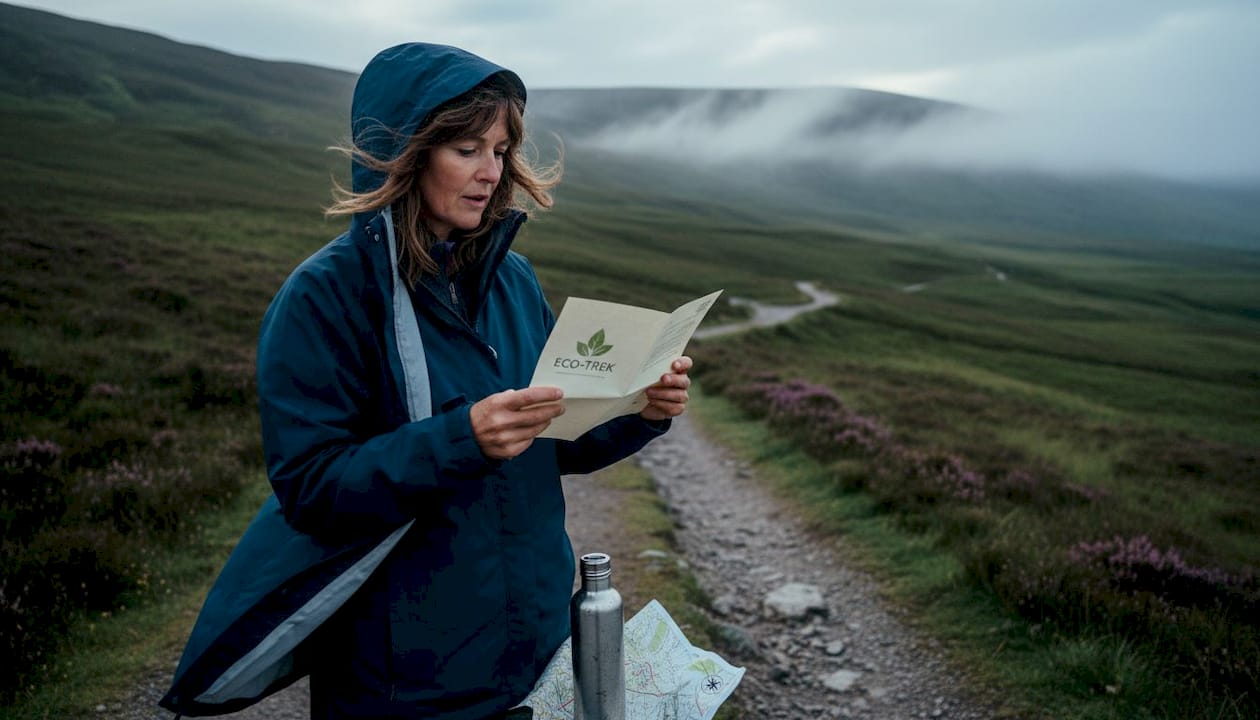
Heritage tourism contributes £2.1 billion to the Scottish economy every year, and recent climate challenges have pushed heritage organizations to publish a Climate Change Adaptation Manual, a practical tool designed to help tourism businesses build resilience against increasingly unpredictable weather events. When you choose to travel responsibly, you’re contributing to a system that keeps those sites standing and those communities thriving.
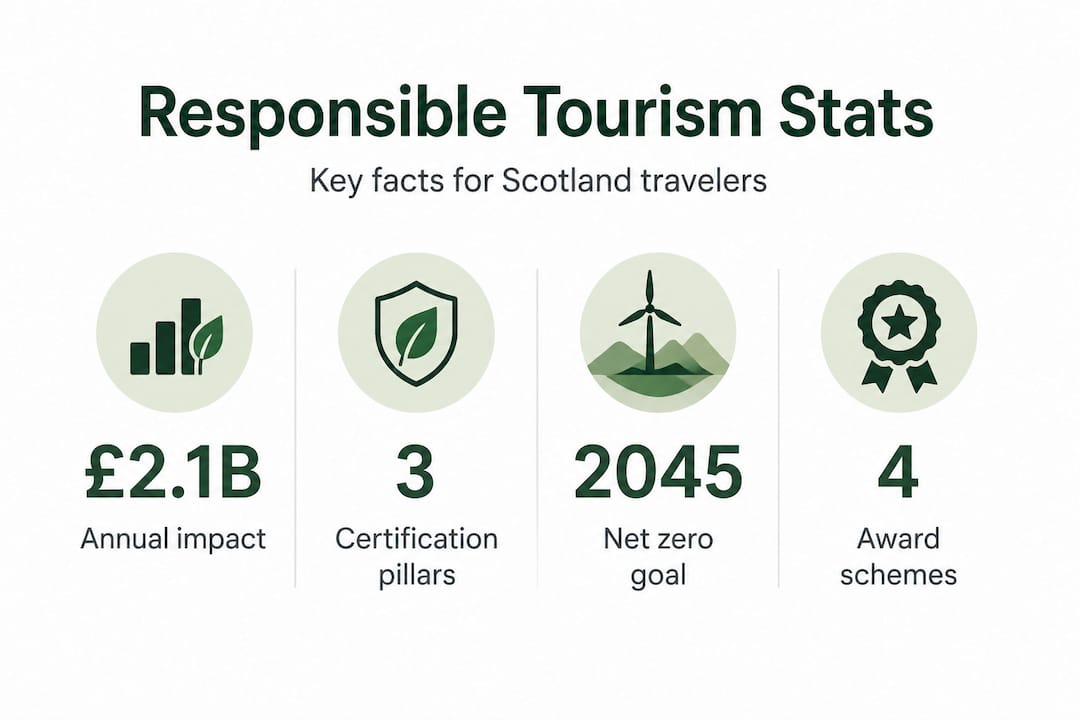
At its core, tourism adaptation in Scotland involves balancing three things: cultural preservation, economic fairness, and environmental protection. Scotland has set a bold national target of reaching net zero carbon emissions by 2045, and the tourism sector is expected to play a significant role in that journey.
Here’s what responsible travel actually looks like on the ground:
- Support local businesses rather than international chains, so money stays in the community
- Choose certified tour operators who meet verified sustainability standards
- Minimize waste and carbon impact through thoughtful packing and transport choices
- Engage authentically with local culture, history, and traditions rather than treating them as photo backdrops
- Respect natural environments by sticking to designated paths, especially in fragile ecosystems like moorland and coastal dunes
“Responsible tourism isn’t about doing less. It’s about doing better — more thoughtfully, more intentionally, and with greater awareness of what your visit gives back.”
Families planning a family trip to the Scottish Highlands will find that responsible travel actually deepens the experience. Children who learn the story of a place connect with it in a way that a standard sightseeing circuit simply can’t deliver.
Now that responsible travel’s impact and purpose are clear, let’s look at what you need to prepare for a sustainable Scottish trip.
What you need for a responsible trip
Getting your responsible travel foundation right before you book saves you time, money, and frustration later. The most important thing to understand is that not all tour operators are created equal, and a few key certifications tell you a great deal about who’s worth your trust and your money.
Certifications and credentials
The Green Tourism business scheme is the primary certification to look for when vetting Scottish tour operators and accommodations. It assesses businesses on three pillars: People, Places, and Planet. Businesses are awarded Bronze, Silver, or Gold status based on how well they perform across those pillars. A Gold award isn’t easy to earn, and it signals a serious, ongoing commitment rather than a one-off gesture. For example, Best of Scotland Holidays holds a Bronze certification, which means they’ve committed to the scheme’s standards and are working toward higher performance.
Beyond Green Tourism, look for operators who have received awards from bodies like VisitScotland or who are endorsed by local heritage organizations. These aren’t just vanity prizes. They indicate that an independent assessor has reviewed the business’s practices.
| Certification type | What it assesses | Award levels | Why it matters |
|---|---|---|---|
| Green Tourism | People, Places, Planet | Bronze, Silver, Gold | Verified sustainability across operations |
| VisitScotland Quality Assurance | Service standards | 1 to 5 stars | Indicates guest experience quality |
| Local eco-labels | Regional impact | Varies | Shows community-specific commitment |
| Carbon footprint audits | Emissions management | Pass/Fail or graded | Supports Scotland’s net zero 2045 goal |
Packing and preparation essentials
Responsible travel also starts in your suitcase. Practical items that reduce your footprint include:
- Reusable water bottles and bags to avoid single-use plastic at visitor centers
- Eco-friendly toiletries in solid or refillable formats
- Layered, weather-appropriate clothing in durable materials so you buy less and use more
- Offline maps and digital tickets to reduce paper waste and support efficient travel
Pro Tip: When researching tour providers, look for their Green Tourism certification badge directly on their website. If it’s not visible and they don’t mention sustainability credentials, ask them directly before booking. A genuinely responsible operator will be proud to share that information.
Choosing tailored Scottish tours from providers who clearly display their credentials is one of the simplest and most effective things you can do to ensure your money supports responsible practices from the start.
With the essentials and requirements in hand, it’s time to walk through the process for planning your responsible tour.
How to plan a responsible Scottish tour
Planning a responsible trip doesn’t mean sacrificing any of the magic. It means making intentional choices at each step that align your experience with your values. Here’s a clear, step-by-step process.
List your priorities. Before you open a single booking website, write down what matters most to you. Is it wildlife? Castles and clan history? A whisky distillery? A celebration like a birthday or anniversary? Knowing your priorities helps you find operators who specialize in exactly that, rather than settling for a generic package.
Research certified providers. Use the Green Tourism website and VisitScotland’s directory to identify operators in your region of interest. Cross-reference their certifications with customer reviews. A promoting responsible tourism framework recommends looking for operators who actively communicate their sustainability practices, not just those who list a badge.
Choose tailored experiences. Generic group tours can be enjoyable, but a planning a personalized itinerary approach lets you structure your trip around your family’s ages, interests, and physical abilities. If you’re traveling with young children, you’ll want a guide who can adjust pace, add storytelling elements, and include accessible stops.
Confirm eco-friendly credentials. Before you finalize any booking, ask your operator three specific questions: Do you hold a Green Tourism certification? How do you support local businesses and suppliers? What’s your policy on group size and environmental impact? The answers will tell you everything you need to know.
Build in community interaction. The richest Scottish experiences happen when you spend time with locals. That means eating at family-run restaurants, visiting independent craft producers, and choosing guides who grew up in the area. Exploring Highland food and traditions through a certified local guide gives you access to stories and flavors no glossy travel magazine can replicate.
Plan for weather flexibility. Scotland’s weather is famously unpredictable. Scotland’s net zero goal by 2045 requires tourism operators to adapt their itineraries for climate-related disruptions, and a good operator will already have contingency plans built into your tour. Ask about backup options before you book.
| Feature | Tailored responsible tour | Standard group tour |
|---|---|---|
| Itinerary flexibility | High, adjusted to your preferences | Low, fixed schedule |
| Guide expertise | Local, certified specialist | Varies widely |
| Community investment | Suppliers and guides are local | Often centralized providers |
| Environmental impact | Managed group size and footprint | Larger group, less control |
| Special occasion options | Birthday, anniversary, family focus | Rarely accommodated |
Booking Scottish Highland tours through a provider that prioritizes all of the above features puts you ahead of the majority of visitors who book without asking a single question about sustainability.
Pro Tip: Scotland’s spring and autumn shoulder seasons (April to May and September to October) offer lower visitor pressure, better wildlife sightings, and reduced environmental impact compared to peak summer months. Your experience is often richer, too.
Once you’ve built your personalized, responsible itinerary, it’s important to anticipate and avoid common mistakes.
Common mistakes and how to avoid them
Even well-intentioned travelers fall into traps that undermine their responsible travel goals. Here are the most common mistakes and how to sidestep each one.
Picking non-certified providers. This is the single biggest mistake. A beautiful website and positive-sounding language don’t equal sustainability. Always verify the Green Tourism business scheme certification before booking. The People, Places, Planet assessment is rigorous, and it’s the most reliable third-party standard available in Scotland.
Overlooking community impact. Many travelers focus entirely on the environmental side of responsible travel and forget the social dimension. Ask your operator how much of their team is locally sourced, whether they use local suppliers for meals and experiences, and what they contribute to heritage conservation. If those conversations don’t happen naturally, consider that a warning sign.
Ignoring weather adaptation plans. Exploring the Scottish Highlands means accepting that the weather will change. What matters is whether your operator has thought through what happens when it does. A responsible operator who follows the Climate Change Adaptation Manual will have clear, communicated backup plans rather than improvising on the day.
Booking Loch Ness Highland tour options without checking group size limits. Smaller groups mean lower environmental impact and a far better experience. Ask for maximum group sizes before you commit.
Relying on hospitality business accommodation without checking sustainability credentials. Even your hotel or guesthouse choice affects your overall responsible travel footprint. Look for Green Tourism-rated accommodations alongside your certified tour.
“Green Tourism awards are quality marks, not benchmarks. They represent a commitment to continuous improvement, not a fixed standard that never changes.”
Pro Tip: Create a simple checklist before you finalize any booking. Include: certification status, guide credentials, local supplier use, group size policy, and weather contingency plan. Five questions, five minutes, and you’ve eliminated most of the risk of choosing the wrong operator.
If you avoid those mistakes, you’ll have a positive impact and an authentic journey. Here’s how to assess your travel outcomes.
How to verify your impact and experience
Responsible travel doesn’t end when you get home. The verification step is where you close the loop and make your experience count for future travelers.
Here are four practical ways to verify your impact:
- Check your provider’s certification status post-trip. Did the experience match what was promised? Was the guide genuinely local? Did the itinerary reflect the sustainability values you were told to expect? Your honest assessment matters.
- Leave detailed, specific reviews. Vague praise doesn’t move the needle. Mention the guide by name, describe the sustainable choices that impressed you, and note anything that fell short. Platforms like Google and TripAdvisor give real weight to detailed reviews, and future travelers rely on them.
- Track the heritage sites you visited. The Climate Change Adaptation Manual published by Historic Environment Scotland gives you a framework for understanding how sites are being protected and adapted. Reading it after your trip will deepen your appreciation and inform your next one.
- Support conservation directly. Many heritage sites in Scotland accept donations or memberships. Historic Environment Scotland, the National Trust for Scotland, and local land trusts all rely on visitor contributions to maintain the landscapes you loved.
| Action | Impact level | Time required |
|---|---|---|
| Write a detailed review | High, guides future travelers | 10 to 15 minutes |
| Report certification gaps | High, improves standards | 5 minutes |
| Donate to heritage organizations | Medium to high | Instant |
| Share your experience on social media | Medium, raises awareness | 10 minutes |
A North Highland tour through certified, responsible operators is only as powerful as the feedback loop you create after you return. Your review is part of the product.
You now have a complete process for responsible travel. Next, let’s explore why conventional advice often misses the mark.
Why ‘responsible travel’ isn’t just about green checkmarks
Here’s the uncomfortable truth that most responsible travel guides won’t tell you: ticking certification boxes is the floor, not the ceiling. The real work of responsible travel happens in the moments between the itinerary items.
Certifications like Green Tourism are genuinely valuable. They create accountability and they help travelers make better initial choices. But a Gold award doesn’t guarantee that your guide will take time to explain the significance of a ruined clan settlement rather than just point at it from the bus window. It doesn’t mean the operator is asking hard questions about the long-term impact of increased visitor numbers on fragile landscapes.
Promoting responsible tourism at the institutional level requires that Scotland’s tourism businesses meet minimum standards. But as a traveler, your influence goes well beyond what any manual or certification can measure. Every conversation you have with a local guide, every meal you choose at a family-run restaurant, every time you step over a rope barrier rather than ducking under it — these are acts of responsible travel that no algorithm can track.
The travelers who truly influence Scottish tourism aren’t the ones who chose the greenest-labeled option. They’re the ones who asked better questions, engaged more deeply, and shared honest feedback when something didn’t live up to the values being advertised. That’s the kind of participation that shapes a destination for the better over decades.
Choosing tailored Scottish tours built around genuine local expertise isn’t just a nice preference. It’s where responsible travel actually starts to matter.
Explore Scotland responsibly with Skye Highlands Tours
Scotland’s most powerful experiences come from genuine connection, not just scenic views from a coach window. If you’re ready to go deeper, we’ve built our entire approach around making that possible.
At Skye Highlands Tours, every tour is designed around you. Whether you’re exploring Scottish Highland tours for a milestone birthday, taking the family to Loch Ness tours for an unforgettable first Highland adventure, or looking for something completely personalized for a small group of passionate history lovers, our expert local guides will craft an itinerary that fits your values, your schedule, and your sense of adventure. Explore our full range of tailored Scottish tours and take the first step toward a Scottish experience that gives back as much as it takes in.
Frequently asked questions
What certifications should I look for when booking a responsible tour in Scotland?
Look primarily for the Green Tourism certification, which assesses businesses across People, Places, and Planet pillars. Bronze, Silver, and Gold ratings indicate verified and ongoing sustainability commitments.
How does heritage tourism benefit Scotland’s communities?
Heritage tourism contributes £2.1 billion annually to the Scottish economy, funding local jobs, conservation programs, and the preservation of historic sites for future generations.
Can families plan a personalized responsible trip in Scotland?
Yes, certified tour providers regularly offer family-tailored itineraries with eco-conscious themes, adjusted pacing, and educational activities that engage children and adults equally well.
How do Scottish tourism businesses adapt to climate change?
Many operators use the Climate Change Adaptation Manual to build resilience into their itineraries and protect heritage sites from increasingly unpredictable weather patterns across the Highlands and beyond.
What does net zero by 2045 mean for Scottish tourism?
Scotland’s net zero by 2045 target requires tourism businesses to reduce carbon emissions, adopt sustainable supply chains, and adapt their operations to meet nationally mandated climate standards over the next two decades.
Recommended
- Best tours of Scotland: tailored for every traveler – Skye Highlands Tours
- Advanced Products – Skye Highlands Tours
- Plan a perfect Scottish day trip from Edinburgh – Skye Highlands Tours
- How to plan a personalized Scottish Highlands itinerary – Skye Highlands Tours
- Safari Etiquette Guidelines for Responsible Wildlife Tours
3 Comments