
Your cart is empty Continue Shopping
How to customise whisky tours: your practical guide
A custom whisky tour is defined as a personalised distillery itinerary built around your preferred whisky styles, group size, and experience goals. The industry term for this approach is “bespoke whisky tourism,” and it covers everything from private distillery visits in Speyside to whisky blending sessions lasting 60–90 minutes. Knowing how to customise whisky tours before you book saves time, money, and the frustration of a generic group experience that does not match what you actually want. This guide walks you through every decision, from choosing your tour theme to avoiding the most common planning mistakes.
What are the key elements to consider when customising a whisky tour?
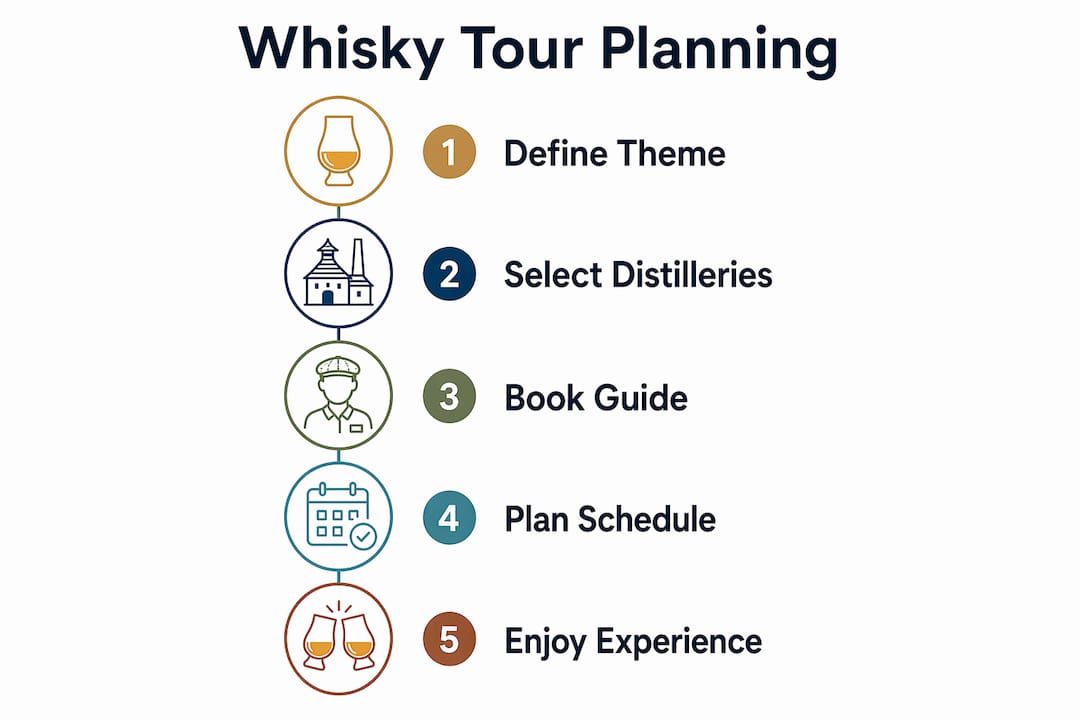
The foundation of any well-planned bespoke whisky tour is knowing what you want before you contact anyone. Without that clarity, you end up with a schedule built around availability rather than preference.
Start with these core decisions:
- Tour theme or style. WSET-certified hosts recognise three main styles: educational, storytelling, and premium masterclass. Each requires a different pace and a different type of distillery. Picking one upfront shapes every other choice.
- Preferred whisky regions. Scotland’s main regions produce very different spirits. Speyside delivers fruity, sherried whiskies; Islay produces heavily peated drams; the Highlands offer a broad spectrum. Knowing your preference narrows the distillery list immediately.
- Group size and dynamics. A couple on a honeymoon needs a different experience from eight colleagues on a corporate trip. Private bespoke tastings can accommodate up to 26 guests, adapting the format and pace to the group’s knowledge and goals.
- Duration and pacing. Most travellers underestimate how tiring back-to-back distillery visits become. Two or three distilleries per day is a comfortable maximum for most groups.
- Experience types. Tastings, blending sessions, cask fills, and production tours each take different amounts of time and cost different amounts. Decide which experiences are non-negotiable before building the schedule.
- Logistics. Transport between distilleries in the Scottish Highlands is not trivial. Factor in travel time, road conditions, and whether you need a private vehicle or a minibus.
Pro Tip: Write down your group’s three must-have experiences before you speak to any guide or operator. That list becomes your brief, and it stops the itinerary from drifting toward whatever happens to be available.
How do you choose distilleries and experiences that match your preferences?
Matching distilleries to your tastes requires a basic understanding of whisky styles and what each producer does best. This is where personalised distillery visits move from a list of names to a coherent narrative.
- Research whisky styles first. Identify whether your group prefers peaty, sherried, lightly fruited, or coastal whiskies. That single decision eliminates roughly half the distilleries in Scotland and makes the shortlist manageable.
- Prioritise exclusive access. Full curated access tours let participants taste directly from casks and visit restricted production areas unavailable on standard visits. These experiences justify the extra cost for serious enthusiasts.
- Add a blending session. Blending your own whisky is one of the most popular additions to any custom itinerary. Sessions last roughly an hour, are led by expert guides, and produce a custom-labelled bottle unique to each participant.
- Balance famous and boutique distilleries. Visiting only well-known names produces a predictable experience. One or two smaller, independent producers add genuine surprise and often allow more personal access to staff and production.
- Check opening times and booking requirements. Many distilleries require advance booking for specialist experiences. Some are closed on Sundays or during production shutdowns in july and august. Confirm availability before finalising the itinerary.
- Incorporate thematic tastings. A vertical tasting of one distillery’s expressions across different ages tells a story that a single dram cannot. A regional comparison tasting across three distilleries does the same for geography. Both formats work well as structured sessions within a longer tour.
Pro Tip: Ask each distillery directly whether they offer any experiences not listed on their website. Exclusive cask samples and behind-the-scenes access are often available for private groups but rarely advertised publicly.
What tools and resources help when planning a personalised whisky tour?
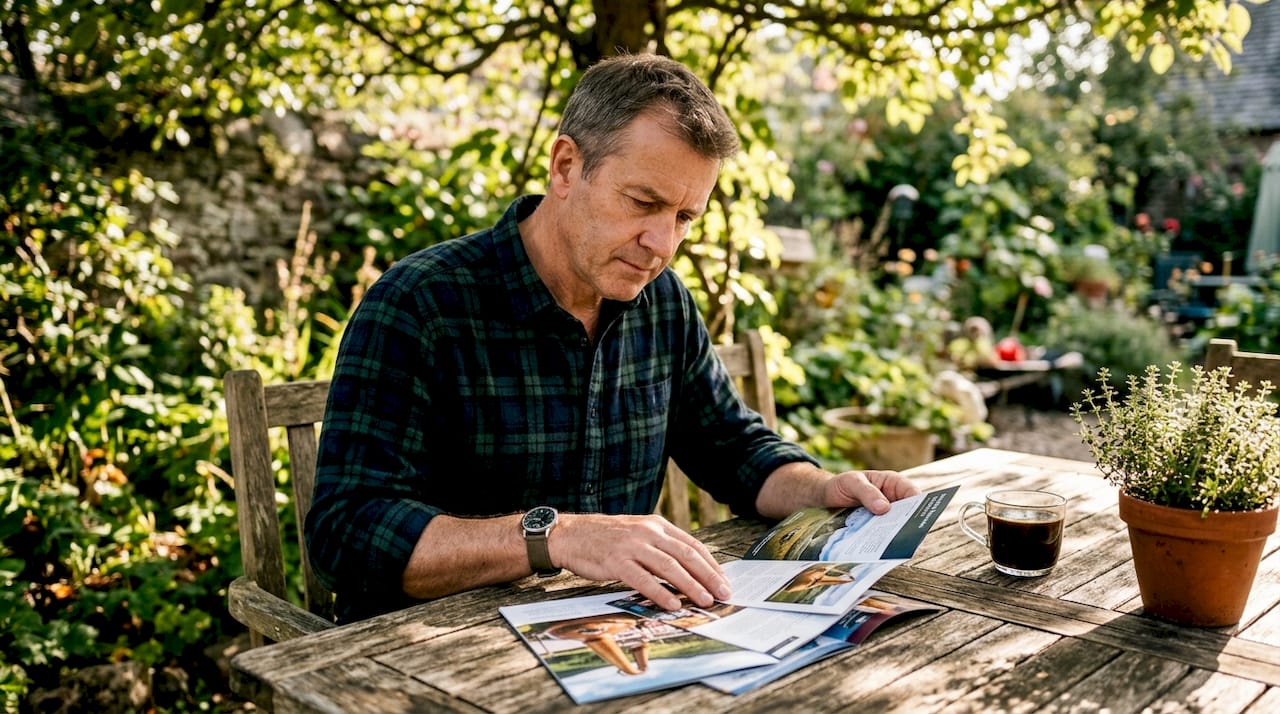
Good planning tools reduce the gap between what you imagine and what you actually experience. Digital itinerary planning combined with local expert guidance consistently produces better results than self-booking alone.
| Planning resource | Best use | Benefit |
|---|---|---|
| Whisky trail maps | Route planning between distilleries | Reduces travel time and avoids backtracking |
| Local expert guides | Distillery selection and access | Unlocks exclusive experiences and insider knowledge |
| Distillery websites | Checking opening times and specialist bookings | Confirms availability before committing |
| Private transport providers | Group logistics | Removes the designated driver problem entirely |
| Tasting note journals | Recording impressions during visits | Helps travellers remember and compare drams accurately |
The single most effective resource is a knowledgeable local guide. Local guides know which distilleries offer the best private access on a given day, which roads are passable in poor weather, and which experiences are genuinely worth the premium price. That knowledge is not available in any app.
Pro Tip: Prepare a simple one-page brief for your guide covering your group’s whisky knowledge level, preferred styles, must-have experiences, and any dietary or physical considerations. A good guide will build a better itinerary from a clear brief than from a vague request.
How do you tailor the tour to your group’s needs and dynamic?
The best whisky tour itinerary ideas fail when they ignore the actual people taking the trip. Group dynamics shape everything from the pace of tastings to the choice of venue.
- Assess whisky knowledge honestly. A group of beginners needs more explanation and fewer drams per stop. A group of enthusiasts wants depth, rarity, and access. Mixing both in one group requires a guide skilled enough to pitch content at two levels simultaneously.
- Choose the right format. Relaxed storytelling sessions suit social groups and celebrations. Intense masterclass formats suit enthusiasts who want to leave with technical knowledge. Personalisation of the tasting style to match guest goals is what separates a good private tour from a standard group visit.
- Plan non-whisky breaks. A full day of tastings is exhausting, even for enthusiasts. Build in a long lunch, a scenic stop, or a short walk. The Scottish Highlands offer enough natural drama that a 20-minute stop at a loch or viewpoint refreshes the group without losing momentum.
- Select venues appropriate to group size. A boutique distillery with a small tasting room is ideal for two to four people. It becomes uncomfortable for twelve. Confirm capacity before booking, particularly for blending sessions or seated tastings.
- Manage expectations around cost. Premium experiences such as cask fills and exclusive tastings carry additional fees beyond the tour price. Brief your group in advance so no one is surprised at the point of booking.
What are the common pitfalls when customising whisky tours?
The most frequent mistake in whisky tour planning is overpacking the schedule. Three distilleries before lunch sounds achievable on paper. In practice, each visit runs longer than expected, travel between sites takes more time than the map suggests, and the group’s capacity for new information drops sharply after the second tasting.
Trying to visit five distilleries in a single day is the fastest way to remember none of them. The travellers who get the most from a custom whisky tour are those who slow down, ask questions, and spend real time in each place. Two distilleries done properly beat five done in a rush every time.
Other pitfalls worth avoiding:
- Ignoring booking requirements. Specialist experiences such as fill-your-own-bottle sessions require advance booking, proof of age, and must be completed during the visit. Bottles cannot be shipped afterwards. Arriving without a confirmed booking means missing the experience entirely.
- Neglecting dietary and physical needs. Some group members may not drink alcohol or may have mobility limitations. A well-planned tour includes non-alcoholic alternatives at tastings and selects venues accessible to everyone.
- Forgetting to budget for extras. Tasting fees, blending session costs, and transport between distilleries add up quickly. Build a realistic per-person budget that includes these extras before confirming the itinerary.
- Underestimating travel time. Highland roads are scenic but slow. A 30-mile journey can take an hour. Always add a buffer between scheduled stops.
Key takeaways
Customising a whisky tour delivers the best results when you define your theme, select distilleries by style, and match the pace to your group’s knowledge and energy before booking anything.
| Point | Details |
|---|---|
| Define your tour theme early | Choose between educational, storytelling, or premium masterclass formats before selecting distilleries. |
| Match distilleries to whisky style | Research peaty, sherried, and fruited styles to build a shortlist that reflects your group’s actual preferences. |
| Add exclusive experiences | Blending sessions and cask-fill visits last 60–90 minutes and produce a custom-labelled bottle unique to each participant. |
| Use local expert guides | Local guides unlock private access and adjust the itinerary in real time based on group energy and conditions. |
| Limit distillery visits per day | Two to three distilleries per day is the practical maximum for a group that wants to remember what they tasted. |
What I have learned from years of whisky tour planning
By Alin
The travellers who get the most from a custom whisky tasting experience are almost always the ones who came with a clear brief and an open mind. They knew their preferred style, they had one or two non-negotiable experiences, and they trusted their guide to fill in the rest. That combination works every time.
What surprises most people is how much the non-whisky moments matter. A lunch overlooking a Highland glen, a conversation with a distillery worker who has spent 30 years on the same still, a quiet walk between two tastings. These are the things people talk about when they get home. The whisky is the reason you go. The place and the people are why you remember it.
My honest advice: keep the group small, keep the schedule loose, and book at least one experience that feels slightly beyond your comfort zone. A blending session, a cask-strength tasting from a single barrel, a visit to a distillery you have never heard of. The role of whisky in Scottish culture runs deeper than most visitors expect, and the best tours are the ones that let that depth surface naturally rather than rushing past it.
— Alin
Plan your bespoke whisky tour with Skyehighlandstours
Skyehighlandstours specialises in private whisky tours across the Scottish Highlands, built around your preferences from the first conversation. Every itinerary is planned with an expert local guide who knows the distilleries, the roads, and the experiences that standard tours never reach.
Whether you want a focused Speyside day, a North Highlands whisky route, or a multi-day tour combining distillery visits with Highland scenery, Skyehighlandstours builds the itinerary around you. Group sizes, pacing, blending sessions, and exclusive access are all arranged in advance. Contact Skyehighlandstours directly to discuss your group’s preferences and receive a tailored proposal.
FAQ
What does a custom whisky tour include?
A custom whisky tour typically includes private distillery visits, guided tastings, and at least one specialist experience such as a blending session or cask fill. The specific content depends on your chosen theme, whisky region, and group size.
How many distilleries should I visit in one day?
Two to three distilleries per day is the recommended maximum for most groups. Visiting more than three reduces the quality of each experience and leaves little time for travel between sites.
Can beginners enjoy a personalised whisky tour?
Beginners benefit most from personalised tours because the guide adjusts the pace, vocabulary, and whisky selection to match the group’s knowledge level. No prior experience is required.
How far in advance should I book a bespoke whisky tour?
Booking at least six to eight weeks in advance is advisable, particularly for exclusive experiences such as blending sessions or cask fills. Popular distilleries fill specialist slots quickly, especially between may and september.
What is a blending session and how long does it take?
A blending session is a guided experience where participants combine different whisky components to create their own unique expression, which is then bottled and custom-labelled. Sessions last 60–90 minutes and are led by an expert guide.
Recommended
- How to customise Highland itineraries for your trip – Skye Highlands Tours
- The role of whisky in Scottish culture explained – Skye Highlands Tours
- Why choose local Scottish guides for your Highlands tour – Skye Highlands Tours
- Essential tips for unforgettable Highland whisky tours – Skye Highlands Tours