

Your cart is empty Continue Shopping
Essential tips for unforgettable Highland whisky tours
Planning a Highland whisky tour sounds simple until you realize how many moving parts are involved. You have iconic distilleries with limited spots, unpredictable weather that can shift from sunshine to sideways rain in twenty minutes, and single-track roads that demand full attention. Then there’s the question of what to do between tastings, where to stay, and how to avoid the classic rookie mistakes that turn a dream trip into a stressful one. This guide covers everything you need to know, from picking the right dates to choosing between standard and craft-focused distillery experiences, so you can focus on enjoying every dram.
Table of Contents
- Choose the best time for your Highland whisky adventure
- Book distillery tours and accommodation early for a seamless trip
- Pack smart and prepare for Highland weather and roads
- Mix whisky with culture, history, and scenery for a richer experience
- Compare distillery tour types: Standard, premium, and craft-focused experiences
- Our hard-won lessons for crafting the ultimate Highland whisky journey
- Elevate your Highland whisky adventure with expert-guided tours
- Frequently asked questions
Key Takeaways
| Point | Details |
|---|---|
| Book well in advance | Reserve distillery tour spots and accommodation 8-12 weeks before your trip to avoid disappointment. |
| Travel off-peak | Late spring and early autumn offer the best weather, fewer crowds, and less trouble from midges. |
| Pack for changing weather | Bring waterproof layers, boots, and extra socks to stay comfortable in unpredictable Highland conditions. |
| Mix whisky with culture | Enhance your tour by pairing distillery visits with local walks, history, and scenic drives. |
| Consider craft tours | Choose smaller, craft-focused distilleries for more authentic and intimate whisky experiences. |
Choose the best time for your Highland whisky adventure
Timing your Highland visit correctly is one of the most impactful decisions you’ll make. Get it right, and you’ll enjoy long golden evenings, quieter roads, and distilleries at full operation. Get it wrong, and you’ll be swatting midges while competing with tour buses.
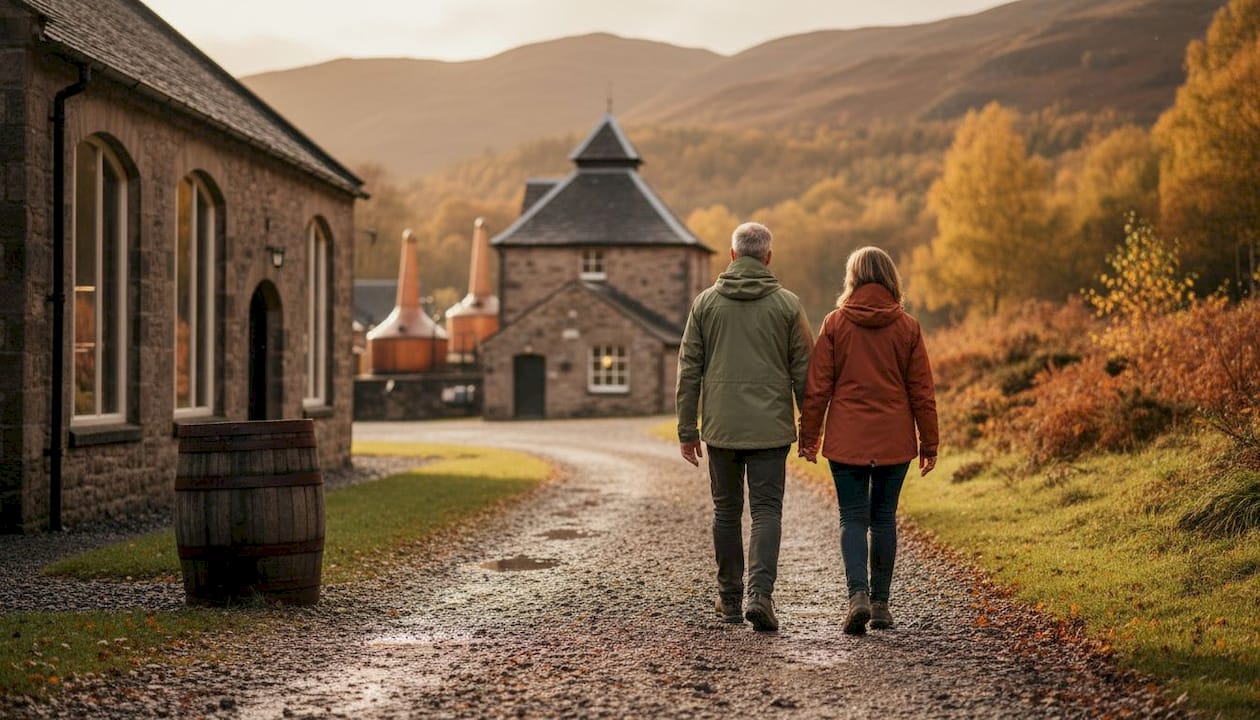
The best time to visit is late spring (May to June) or early autumn (September to October). These windows deliver mild weather, fewer crowds, and dramatically fewer midges than the peak summer months. Autumn adds a bonus: the hills turn copper and amber, making every drive between distilleries feel like a postcard come to life.
Summer isn’t off the table, but it comes with trade-offs. Midges, those tiny biting insects that swarm near lochs and rivers, are at their worst from June through August, especially at dawn and dusk. They don’t ruin a trip, but they do make outdoor tastings and scenic walks less enjoyable. A good midge repellent is non-negotiable if you visit during this period.
Distillery schedules matter too. Some distilleries take a silent season, a temporary closure during which production halts and tours may be limited or unavailable. For example, Dalwhinnie’s silent season runs from mid-May through June, so planning a visit during that window could leave you disappointed. On the flip side, Dalmore reopened in 2026 with a stunning new visitor experience offering luxury private three-hour tours for small, customizable groups. That kind of exclusive access is exactly what makes the Highlands worth planning around.
“Autumn in Speyside is unlike anything else in whisky country. The air smells of peat and barley, the leaves are turning, and you can walk between distilleries without another tourist in sight.”
Pro Tip: Build your personalized Highlands itinerary around distillery opening schedules first, then fill in scenic and cultural stops around them. This prevents the frustration of arriving at a closed facility.
Book distillery tours and accommodation early for a seamless trip
With your travel dates settled, the next step is locking in reservations before they disappear. This isn’t an exaggeration. Popular Highland and Speyside distilleries fill up fast.
Slots at Glenfiddich, Balvenie, and Macallan can sell out within 48 to 72 hours during peak season. The general rule is to book 8 to 12 weeks in advance for these marquee names. If you leave it to the last few weeks, you’ll likely be choosing between whatever’s left, which often means basic standard tours rather than the premium warehouse or cask-side experiences.
Here’s a sensible booking sequence to follow:
- Identify your top two or three distilleries and check their tour calendar immediately.
- Book premium or specialty tours first, since these have the smallest group sizes.
- Confirm distillery dates before booking non-refundable accommodation.
- Use distillery websites directly rather than third-party sites for the most accurate availability.
- Set a reminder to check for cancellations if your first choice is sold out.
Accommodation hubs worth knowing include Pitlochry, Aviemore, Inverness, and Dufftown. Each sits within easy reach of major distillery clusters and offers a range of lodging from cozy B&Bs to boutique hotels. Book your accommodation weeks or even months ahead in peak season, especially in Dufftown, which is at the heart of Speyside whisky country and has limited rooms.
| Hub town | Nearby distilleries | Best for |
|---|---|---|
| Dufftown | Glenfiddich, Balvenie, Mortlach | Whisky-focused stays |
| Pitlochry | Blair Athol, Edradour | Scenic countryside access |
| Inverness | Dalmore, Glen Ord | City comforts, day trips |
| Aviemore | Dalwhinnie, The Cairngorm Brewery | Outdoor activities + whisky |
For families planning this kind of trip, reviewing family trip planning tips beforehand is well worth your time, especially if you’re traveling with younger members who won’t be participating in tastings.
Pro Tip: If a distillery is fully booked, ask to be placed on a cancellation list. Highland trips often have last-minute drops due to weather or travel delays, and distilleries frequently call ahead to waiting visitors. Alternatively, exploring routes like the North Whisky Tour through a guided provider removes the booking burden entirely.
Pack smart and prepare for Highland weather and roads
The Highlands have a well-earned reputation for unpredictable weather. What starts as a warm, sunny morning can shift to biting wind and horizontal rain by early afternoon. Packing for all conditions isn’t pessimism. It’s the difference between a great trip and a miserable one.
Your essential packing list should include waterproof and windproof outer layers, sturdy waterproof boots, midge repellent (essential from May through September, particularly near lochs at dawn and dusk), and at least two pairs of spare socks. Weather changes rapidly across the region, and wind is present year-round even on clear days.
| Item | Why it matters |
|---|---|
| Waterproof jacket | Rain can arrive without warning |
| Windproof layer | Wind is constant, even in summer |
| Sturdy hiking boots | Distillery grounds and trails can be muddy |
| Midge repellent | Critical May through September near water |
| Spare socks | Wet feet ruin long days of touring |
| Portable phone charger | Signal is sparse; offline maps are essential |
Driving in the Highlands deserves its own preparation. Single-track roads are common in rural areas, and if you’ve never driven one, the etiquette takes a moment to learn. On single-track roads, pull into the passing places on the left side to let oncoming vehicles through. Always let locals pass first since they know the road better and often have time-sensitive commitments. A polite wave of thanks is standard practice and goes a long way.
Fuel is another issue that catches visitors off guard. Gas stations in remote Highland areas can be more than 50 miles apart. Keep your tank above half at all times, and fill up whenever you see a station, even if you don’t feel you need to. Running out of fuel on a single-track road with no cell signal is an experience worth avoiding.
Pro Tip: Download offline maps through Google Maps or Maps.me before you leave. Cell signal disappears in large sections of the Highlands, and real-time navigation becomes unreliable. Having offline capability means you won’t miss a turn toward your next distillery.
Mix whisky with culture, history, and scenery for a richer experience
The most memorable Highland whisky trips aren’t just about the whisky. They’re built around a blend of tastings, walking, history, and landscape that gives each day its own texture.
Speyside alone has over 60 distilleries, making it the densest whisky region on earth. But within easy reach of those distilleries, you’ll find the Cairngorms National Park for walking, Dufftown’s Distilleries Walk for a gentle stroll between production sites, and historic sites like Ballindalloch Castle. Further afield, Culloden Battlefield sits near Inverness and adds a powerful historical dimension to any Highland itinerary. Loch Ness and the NC500 coastal route pair perfectly with whisky days, giving you a natural rhythm of tasting in the morning and exploring in the afternoon.
Here are some excellent pairings to consider:
- Visit Glenmorangie near Tain, then drive the Northern Highlands coastline in the afternoon.
- Combine a Speyside whisky tour with a walk through the Cairngorms National Park.
- Pair a morning distillery visit near Drumnadrochit with an afternoon Loch Ness tour for scenery and legend.
- Follow a tasting at Blair Athol with a visit to the magnificent Blair Castle in Pitlochry.
On the cost side, distillery tour pricing ranges considerably. Standard tours run between £10 and £20 and typically include one or two drams and a production walkthrough. Premium experiences range from £30 to £150 and often include warehouse access, cask tastings, or even blending workshops. Smaller distilleries consistently deliver more intimate experiences, where guides know every barrel and can answer questions that a high-volume tour simply doesn’t allow time for.
“Stepping into a rickhouse at a smaller distillery, surrounded by sleeping casks, with a guide who’s worked there for fifteen years, is as close to whisky magic as you’ll get.”
Compare distillery tour types: Standard, premium, and craft-focused experiences
Understanding what each tour type offers helps you spend your money wisely and your time even better.
Standard tours cost £10 to £20 and include a guided walk through the main production areas, a short explanation of the distillation process, and one or two drams at the end. These work well for beginners or anyone who wants an overview without committing significant time or budget. Glenfiddich and Glenlivet both offer polished standard tours with professional visitor centers.
Premium tours, priced at £30 to £150, go much deeper. You might taste directly from the cask in a bonded warehouse, participate in a blending session to create your own small-batch whisky, or receive a private one-on-one with a distillery ambassador. The Macallan’s estate experience and the Dalmore’s newly relaunched luxury tour fall firmly into this category.
Craft-focused tours are a category of their own. These take place at smaller, independently owned distilleries where traditional methods are still the norm. Balvenie is exceptional in this regard: it still malts its own barley on-site using traditional floor malting, a practice that fewer than a handful of distilleries in Scotland still maintain. Visiting a place like Balvenie isn’t just a tour. It’s a window into how whisky was made before industrialization changed everything.
| Tour type | Price range | Highlights | Best for |
|---|---|---|---|
| Standard | £10 to £20 | Production walkthrough, 1-2 drams | First-timers, casual interest |
| Premium | £30 to £150 | Warehouse access, blending, private guides | Enthusiasts, special occasions |
| Craft-focused | Varies | Traditional methods, small batches, intimacy | Authenticity seekers |
Choosing between them depends on your level of interest and how many distilleries you plan to visit. If you’re hitting five in a week, mixing a few standard tours with one premium experience keeps costs manageable while still delivering a standout moment. If whisky is the whole point of the trip, go premium at the distilleries that matter most to you. Scottish Highland Tours can help you structure a mix that suits your priorities and budget.
Our hard-won lessons for crafting the ultimate Highland whisky journey
Here’s a perspective you won’t find in most travel guides: the most iconic distillery is rarely the most memorable visit.
We’ve seen guests spend months anticipating a major-brand tour, only to find it felt more like a theme park than a craft producer’s floor. Meanwhile, the spontaneous stop at a smaller operation down the road became the story they told for years. The Highlands reward flexibility and curiosity far more than rigid bucket-list chasing.
There’s also a common mistake travelers make when building their itinerary: they pack too many distilleries into too few days. Three well-chosen distilleries with time to breathe between visits, a scenic walk, a proper pub lunch, and a relaxed evening beat a packed schedule of six rushed tours every time. Whisky is meant to slow you down, and your itinerary should reflect that.
Road conditions also catch people off guard. Underestimating Highland driving times is a classic error. A route that looks like 30 miles on a map might take 90 minutes on a single-track road with passing places, sheep crossing, and the inevitable urge to stop for a photograph. Build in generous travel time and treat the drive itself as part of the experience.
Finally, don’t ignore local food. Pairing a Highland distillery with a meal using locally sourced venison, smoked salmon, or aged cheddar makes the flavors land differently. Some distilleries now offer food pairing experiences, and they’re worth every pound. The personalized itinerary wisdom we apply on every tour comes down to one principle: balance depth with pace. You’re not collecting stamps. You’re building memories.
Elevate your Highland whisky adventure with expert-guided tours
These tips can transform a good trip into a genuinely extraordinary one, but there’s a shortcut to getting everything right from the start.
Skye Highlands Tours specializes in exactly this kind of experience. Our whisky experiences are built around personalized itineraries that blend iconic distillery visits with cultural stops, scenic landscapes, and flexible pacing that suits your group. Whether you want a dedicated Speyside Whisky Tour through the heart of Scotland’s whisky country or a broader Highland adventure with tastings woven in, our local expert guides handle the logistics so you can focus on the experience. Browse our full range of Whisky Tours and find the journey that matches your vision.
Frequently asked questions
How far in advance should I book a Highland whisky distillery tour?
Book popular tours 8 to 12 weeks ahead of your visit, as slots at top distilleries like Glenfiddich and Macallan can sell out within 48 to 72 hours during peak season.
What should I pack for a Highland whisky tour?
Bring waterproof layers, sturdy boots, midge repellent, and spare socks, since Highland weather shifts rapidly and wind is present year-round regardless of season.
Are there any months when some distilleries are closed?
Yes. Dalwhinnie’s silent season runs from mid-May through June, so always check individual distillery schedules before finalizing your travel dates.
What makes a craft-focused distillery tour different from a standard tour?
Craft tours highlight traditional production methods and offer far more intimate access. Balvenie still floor-malts its own barley on-site, a rarity that gives visitors a genuinely authentic view of how whisky has been made for centuries.
How can I combine whisky tours with other Highland experiences?
Pair distillery visits with hiking in Cairngorms, castle tours at Culloden or Blair, and scenic drives along Loch Ness or the NC500 for a trip that delivers culture and landscape alongside every tasting.
3 Comments