
Your cart is empty Continue Shopping
Discover Highland Whisky Tasting: Flavors, Tours, and Tradition
Most first-time visitors to Scotland assume Highland whisky is a single style. It isn’t. The Highland region is so geographically diverse that it produces everything from light, floral drams in the east to intensely peated coastal expressions near the northern shores. Understanding that variety before you visit a single distillery changes everything about how you experience, enjoy, and remember your tasting. This guide walks you through what Highland whisky tasting actually involves, how to taste like someone who knows what they’re doing, and how to build a trip that goes far beyond a quick sip and a souvenir bottle.
Table of Contents
- What defines Highland whisky tasting?
- The art of tasting: methods and senses
- Exploring Highland whisky flavors: a regional comparison
- Booking a Highland distillery experience
- What most guides miss about Highland whisky tasting
- Experience Highland whisky tasting with expert-guided tours
- Frequently asked questions
Key Takeaways
| Point | Details |
|---|---|
| Diversity of flavor | Highland whiskies offer a range of flavors thanks to sub-regional geography, water, and production methods. |
| Tasting technique matters | Following a structured tasting approach reveals greater complexity and enjoyment in every dram. |
| Tour options abound | With over 30 distilleries, visitors can choose from affordable group tastings to bespoke private experiences. |
| Personalization elevates visits | Combining famous distilleries with local stories and hidden gems creates a richer whisky journey. |
| Book with local experts | Guided tours add depth, authenticity, and convenience to your Highland whisky exploration. |
What defines Highland whisky tasting?
Highland whisky tasting is not just about swirling a glass and nodding thoughtfully. It refers to guided sensory evaluations and distillery tours in the Scottish Highlands, focused specifically on single malt Scotch whiskies whose flavor profiles are shaped by sub-regional geography, water sources, still designs, and cask maturation. That combination of variables is precisely what makes the Highland region so compelling and, at times, so confusing for newcomers.
The Highlands cover roughly 10,000 square miles of Scotland, making it the largest whisky-producing region by land area in the country. That size means you are not dealing with a single climate, a single water source, or a single distilling tradition. You’re dealing with a patchwork of micro-environments, each leaving a distinct fingerprint on the spirit that comes out of those copper stills.
Here’s what generally distinguishes Highland whisky tasting from other Scottish whisky experiences:
- Range of flavors: No other Scottish region produces such a wide spectrum, from honeyed and heathery to maritime and smoky.
- History of the distilleries: Many Highland distilleries have been operating for centuries, and their stories are as layered as the whiskies themselves.
- Guided expertise: The best tastings involve someone who knows both the distillery’s technique and the sensory vocabulary to help you articulate what you’re experiencing.
- Setting and landscape: You are often tasting with a view of the very hills, lochs, or coastline that shaped the water going into your glass.
For those who want to explore Highland whisky insights across multiple distilleries, it helps to think of it less as a beverage experience and more as a regional education.
“The Scottish Highlands produce single malt whiskies that defy simple categorization. The landscape is not just scenery; it is an ingredient.”
| Factor | Impact on flavor |
|---|---|
| Water source | Soft peat-filtered water adds earthy, mineral notes |
| Still height | Taller stills create lighter, more floral spirits |
| Coastal location | Sea air during maturation adds brine and iodine |
| Cask type | Sherry casks add dried fruit, ex-bourbon adds vanilla |
| Maturation time | Longer aging softens alcohol, deepens complexity |
This table captures the core variables you’ll encounter at almost every Highland distillery. Learning to connect these factors to what you taste in the glass is the foundation of genuine whisky appreciation.
The art of tasting: methods and senses
Now that you know what Highland whisky tasting is, it’s time to learn how to taste like a professional. The good news is that the method is straightforward once you understand the logic behind each step.
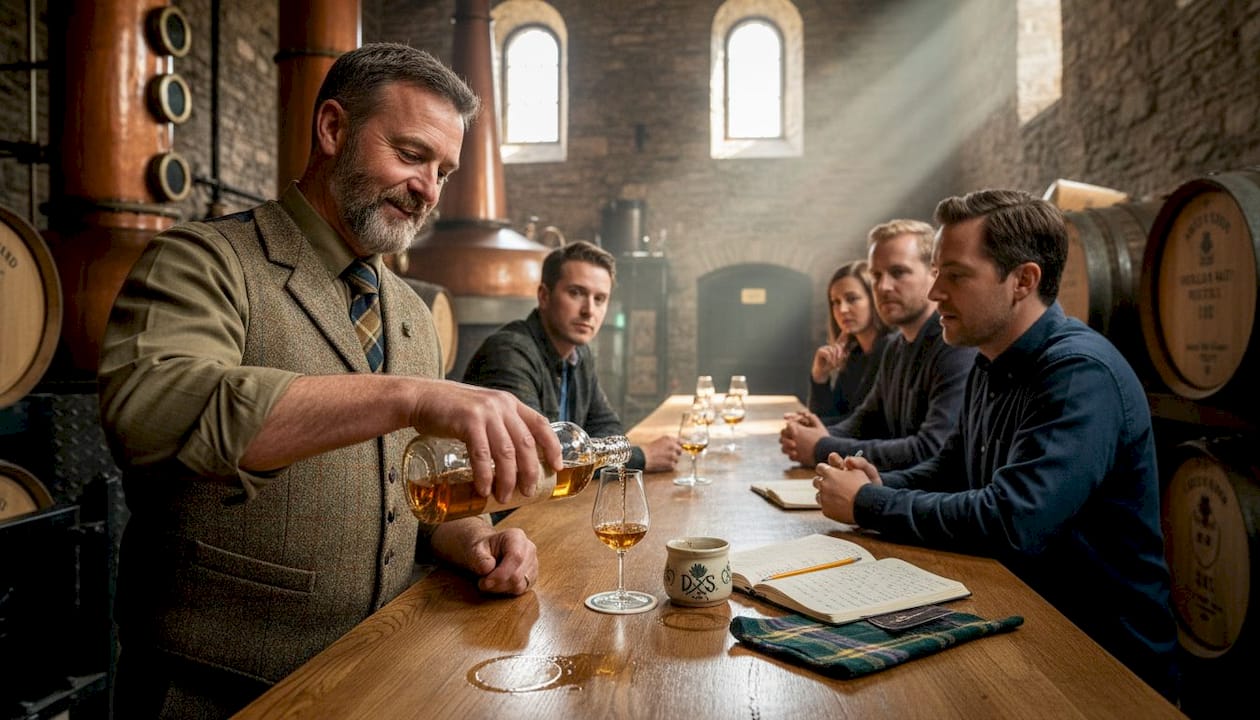
The standard tasting methodology follows four distinct stages: observe the color and “legs” in a Glencairn or tulip glass; nose the aromas in stages, starting with a light waft for fruit before moving deeper for spice or smoke; taste by sipping slowly and coating the entire mouth to note how flavors develop; and finally evaluate the finish, paying attention to its length and what’s called retro-olfaction, which is the aroma you detect through the back of the throat as you exhale.
Here’s a step-by-step breakdown you can follow at any distillery:
- Choose the right glass. A Glencairn or tulip-shaped glass concentrates aromas toward the nose. A wide-rimmed tumbler, while comfortable, dissipates those aromas before they reach you.
- Observe the color. Hold the glass to light. Deep amber suggests sherry cask maturation. Pale gold often signals ex-bourbon barrels. The “legs” (the streaks that run down the inside of the glass) indicate body and alcohol content.
- Nose before you taste. Keep your mouth slightly open and bring the glass to just below your nose. First pass: catch the delicate top notes. Second pass, slower, closer: find the deeper fruit, spice, or earthiness underneath.
- Take a small sip without water first. Let it sit on your tongue for a few seconds, then coat your mouth by moving it around. Notice where you feel heat (front of tongue for alcohol, sides for acid, back for bitterness).
- Add a few drops of water. This “opens” the whisky by reducing alcohol strength, allowing suppressed aromas and flavors to emerge. This step surprises many beginners.
- Evaluate the finish. After swallowing, breathe out slowly through your nose. A long finish with evolving flavors is generally considered a mark of quality. A short, harsh finish suggests a less complex or younger spirit.
Pro Tip: If you’re nosing several whiskies in a row, smell the back of your hand between each one to “reset” your olfactory system. This is a trick used by professional blenders and it genuinely works.
One often-cited figure worth knowing: trained whisky evaluators can distinguish over 30 aroma compounds in a single malt, ranging from fruity esters to woody terpenes. You don’t need to name them all. You just need to slow down and pay attention, and a skilled guide at one of the region’s guided whisky tasting tours can help you develop that attentiveness faster than any book.
Exploring Highland whisky flavors: a regional comparison
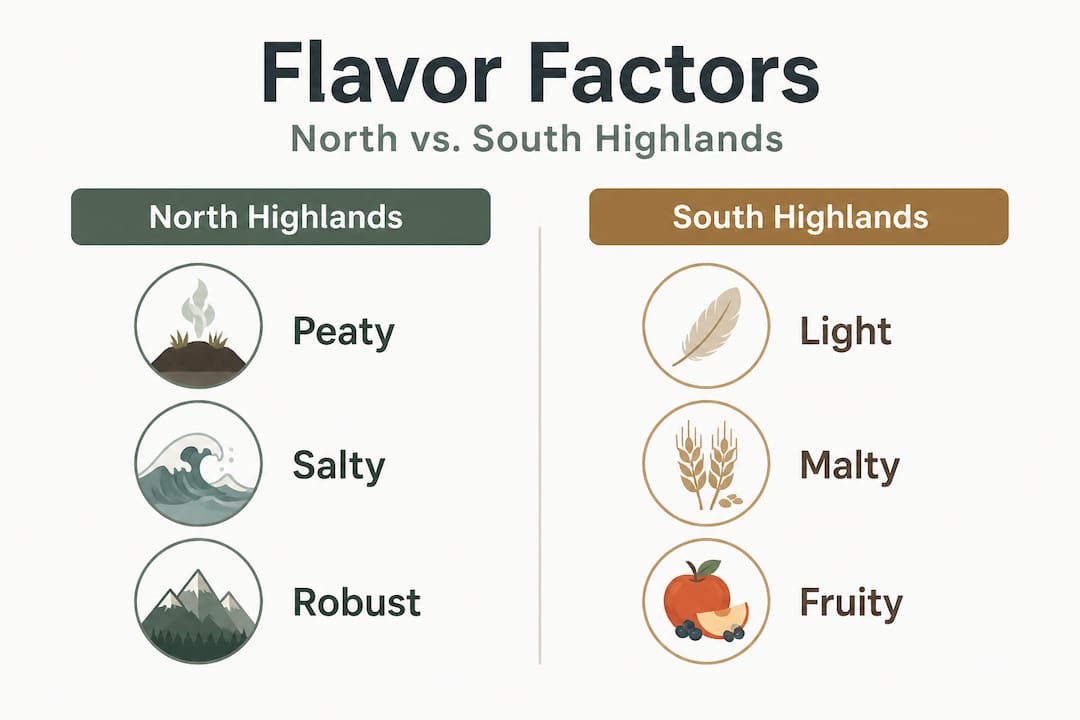
With the basics of tasting in place, let’s dig deeper into the region’s remarkable range of flavor profiles. The Highlands are typically divided into four loose sub-regions, and the differences between them are genuine enough to shape your entire itinerary if you let them.
Over 30 active Highland distilleries operate today, and variables like still height make a measurable difference. Glenmorangie, for example, uses stills that stand 16 feet tall, among the tallest in Scotland. The increased copper contact during distillation strips out heavier compounds, producing a lighter, more delicate spirit. Compare that to a distillery using shorter, wider stills, and you get a richer, oilier texture with more robust flavor.
| Sub-region | Dominant flavor notes | Example distilleries |
|---|---|---|
| Northern Highlands | Rich, full-bodied, spiced, dark fruit | Dalmore, Glenmorangie, Balblair |
| Eastern Highlands | Fruity, floral, lighter body | Glencadam, Royal Lochnagar |
| Western Highlands | Dry, slightly peated, maritime | Oban, Ben Nevis |
| Central Highlands | Honeyed, grassy, balanced | Blair Athol, Aberfeldy |
A few things worth knowing about what drives these differences:
- Climate and maturation speed: The Highland climate is cool and variable. Slower temperature swings mean slower maturation compared to warmer whisky regions, which gives Highland malts more time to develop subtle complexity inside the cask.
- Coastal influence: Distilleries near the northern coastline are essentially aging their spirit in a sea-air environment. Over years, the cask wood breathes in salt and brine, which migrates into the whisky.
- Peat levels: Unlike Islay, most Highland whiskies use unpeated or lightly peated malt. But some western and northern expressions carry a subtle earthy smokiness that adds another dimension entirely.
If the north calls to you, the North Highland whisky tours offer access to some of the most characterful distilleries in the country. For those curious about neighboring Speyside, which sits just east of the Highland boundary, Speyside whisky experiences provide a useful contrast that many whisky lovers find genuinely illuminating.
Booking a Highland distillery experience
Once you’re inspired by the region’s variety, here’s how you can turn that curiosity into an actual plan. The practical side of booking is easier than it used to be, but understanding the options helps you spend your time and money well.
Tour costs across Highland distilleries generally fall between £10 and £50 per person for standard visits, while private or exclusive tastings can run anywhere from £18 to £250 or more depending on the distillery and the experience level. What explains such a wide range? The difference is largely about access, time, and depth.
| Experience type | Typical cost | What’s included |
|---|---|---|
| Standard visitor tour | £10 to £25 | Distillery walk, 2 to 3 standard drams |
| Premium tasting experience | £30 to £50 | Guided flight of 4 to 6 expressions, food pairing |
| Private group tour | £18 to £100+ per person | Exclusive access, customized flight, extended time |
| Exclusive/connoisseur session | £150 to £250+ | Rare releases, direct interaction with distillers |
To build a genuinely rewarding itinerary, follow these steps:
- Identify your flavor preferences first. If you love rich, dark fruit and spice, prioritize northern Highland distilleries. If you prefer lighter, floral expressions, head east.
- Limit yourself to two or three distilleries per day. Tasting fatigue is real. After five or six whiskies, your palate loses its ability to distinguish subtle differences.
- Book in advance, especially for private sessions. Popular distilleries like Dalmore fill private slots weeks ahead, particularly in summer.
- Plan logistics around distillery locations. The Highlands are beautiful but large. Grouping distilleries by geography prevents hours of backtracking on single-lane roads.
- Consider adding a guided tour operator. A local expert who knows the distilleries personally will get you behind-the-scenes access that a solo visitor rarely experiences.
Pro Tip: Eat a light, low-fat meal before a full tasting day. Heavy food mutes your palate, but an empty stomach makes the alcohol hit faster and dulls your concentration. Oatcakes and mild cheese are the standard choice for good reason.
For those planning to combine distillery visits with Highland sightseeing, learning about visiting the Scottish Highlands ahead of time helps you understand the geography and choose a base that makes your whisky route efficient rather than exhausting.
What most guides miss about Highland whisky tasting
Most guides give you the logistics. Book here, taste these, spend this much. What they rarely address is the deeper layer of the experience, the part that turns a pleasant afternoon into something you talk about for years.
The real magic of Highland whisky tasting is not in any single dram. It’s in the accumulation of context. When a distillery manager tells you that the stream feeding their wash house has run the same route for 400 years, or when a stillman shows you a repair weld on a copper pot that’s older than anyone working there, the whisky you taste immediately after carries a different weight. You’re not just drinking malt and water. You’re tasting a specific place at a specific moment in an ongoing story.
Conventional whisky tourism tends to focus on “must-visit” lists. Glenfarclas, Dalmore, Glenmorangie. These are extraordinary distilleries and you should absolutely visit them. But experienced whisky travelers often say their most memorable tastings happened at smaller, less-promoted distilleries where the distiller had time to sit with them, pull out an experimental cask from the back row, and pour something that will never appear on any retail shelf.
That kind of experience is almost impossible to find alone. It comes from knowing people, or traveling with someone who does. Local guides who have built genuine relationships with distillery teams are the ones who can arrange those moments. They know which distilleries are doing interesting experimental work, which ones offer a back-warehouse walk that isn’t on the public tour, and which blends or single cask releases are worth seeking out before they’re gone.
We’ve also found, after years of designing custom Highland tours, that even experienced whisky drinkers tend to underestimate how much the surrounding landscape shapes their perception. Tasting a coastal whisky while standing near the sea genuinely changes how you read its flavors. Your brain fills in context, and context amplifies sensation. This is not a trick. It’s sensory psychology, and it’s one of the most compelling arguments for doing your tasting in the Highlands rather than at a bar in any major city.
The other thing guides miss: pacing matters more than volume. You will get more out of four deeply engaged tastings than twelve rushed ones. Slow down. Ask questions. Write notes even if they feel clumsy at first. The goal is not to have tasted more distilleries than anyone else you know. It’s to understand what you genuinely love and why.
Experience Highland whisky tasting with expert-guided tours
If reading this has made you want to get out there and start tasting, the easiest way to make that happen well is to go with people who already know the terrain.

At Skye Highlands Tours, we design private, personalized Highland whisky experiences that match your flavor preferences, your group size, and your schedule. Whether you’re drawn to the rich northern expressions or want to cover multiple sub-regions in a single journey, our guides connect you with distilleries and stories that most travelers never reach on their own. Explore our Highland whisky tours to see what a tailored itinerary looks like, or check out the dedicated North Highland whisky experience for a deep dive into one of the region’s most distinctive flavor zones. Your perfect dram is out there. We’ll help you find it.
Frequently asked questions
What makes Highland whisky tasting unique?
Highland whisky tasting stands out because the region’s varied geography and water sources produce a broader flavor spectrum than any other Scottish whisky region, ranging from light and floral to rich and coastal.
How much should I expect to pay for a Highland distillery tour?
Standard tours usually run between £10 and £50 per person, while private or exclusive connoisseur sessions can reach £250 or more depending on the distillery and what’s included.
What are the steps involved in a professional whisky tasting?
The four-step tasting method involves observing color, nosing aromas in stages, sipping to coat the mouth and track palate progression, and then evaluating the length and character of the finish.
How many distilleries are in the Highland region?
The Highlands are home to over 30 active distilleries, each producing whiskies shaped by their specific location, water source, and distilling technique.
Is a guided tour necessary for Highland whisky tasting?
It isn’t strictly necessary, but a knowledgeable guide provides context, access to exclusive tastings, and behind-the-scenes experiences that are genuinely difficult to replicate on a self-guided visit.
2 Comments