
Your cart is empty Continue Shopping
Examples of Jacobite history sites for private tours
The best examples of Jacobite history sites to prioritise on a private Highlands tour are Culloden Battlefield, Glenfinnan, Pass of Killiecrankie, Clava Cairns, Cawdor Castle, and Kinlochmoidart. Add the Jacobite Steam Train corridor along the West Highland Line and you have a coherent, emotionally powerful route through the 1745 Rising. The National Trust for Scotland manages Culloden, where around 1,600 men were killed in under an hour on 16 April 1746, making it the most visceral single stop on any Jacobite itinerary.
- Culloden Battlefield — the final defeat of the Jacobite cause; visitor centre, 360° theatre, Leanach Cottage, clan grave stones
- Glenfinnan — where Charles Edward Stuart raised his standard in August 1745; monument and viaduct
- Pass of Killiecrankie — site of the opening battle of the 1689 Rising; Soldier’s Leap, original weapons on display
- Clava Cairns — Bronze Age cairns near Inverness, anchoring the wider landscape memory of the region
- Cawdor Castle — historic house with documented Jacobite associations, close to Culloden
- Kinlochmoidart — Prince’s Walk and commemorative landscape features tied to Charles Edward Stuart’s movements
- Jacobite Steam Train / West Highland Line — the scenic rail corridor linking Fort William to Mallaig, threading through Jacobite-era terrain
A private guided tour with Skyehighlandstours can bundle these stops into a single day focused on Culloden or a multi-day west-coast route. Book a private tour to get a tailored itinerary built around your group size and pace.
Table of Contents
- Why these places tell the Jacobite story
- Top Jacobite history sites: what to expect at each one
- Suggested private-tour itineraries that group Jacobite sites
- Practicalities: opening hours, costs, transport and seasonal notes
- Key takeaways
- What actually makes a Jacobite visit memorable
- Private Jacobite tours with Skyehighlandstours
- FAQ
Why these places tell the Jacobite story
Jacobite memory is best read as a network of battlefield and landscape sites rather than isolated attractions. The Jacobite Scotland initiative frames the story across more than 70 sites across Scotland, encouraging thematic trails rather than one-off visits. That framing matters: a single afternoon at Culloden gives you the ending; the full arc from Glenfinnan to Killiecrankie to Culloden gives you the campaign.
“More than 70 sites and locations across Scotland have joined with us at Prestonpans to pool tagged details of their place in the Jacobite story. From this collation it is possible to suggest both geographic and thematic visitor trails.” — Battle of Prestonpans 1745 / Jacobite Scotland
The National Trust for Scotland and the National Army Museum both emphasise balanced interpretation, presenting Government and Jacobite perspectives side by side. At Culloden in particular, the visitor centre deliberately avoids romanticising the conflict. For travellers who want an honest reading of the period, that dual framing is worth seeking out at every site.
Top Jacobite history sites: what to expect at each one
The seven sites below cover the full range of Jacobite heritage: battlefield, memorial, castle, archaeological site, and scenic rail experience. Use the table for a quick planning reference, then read the notes for the details that actually shape your day.
Culloden Battlefield — The visitor centre includes a 360° immersion theatre, original artefacts from both sides, Leanach Cottage (a surviving farmhouse from 1746), and the clan grave stones on the moor. Plan a full half-day minimum. The site is car and coach accessible, with surfaced paths to the main memorial cairn, though the outer moorland trail is uneven. Excellent for families; the theatre is particularly effective with children.
Glenfinnan — The Glenfinnan Monument commemorates the men who rallied to Prince Charles in August 1745. The viaduct, a short walk away, carries the Jacobite Steam Train and offers one of the most photographed views in Scotland. Budget 1–2 hours for both stops. Parking is available; the monument path is accessible.
Pass of Killiecrankie — The National Trust for Scotland visitor centre holds original weapons and replicas visitors can handle, making it one of the most tactile Jacobite experiences available. The Soldier’s Leap — a narrow gorge crossing where a Government soldier allegedly jumped to escape — is a short walk from the centre. The 1689 battle was a Jacobite tactical victory, though the movement lost its leader John Graham of Claverhouse the same day. Allow 1.5–2 hours; some uneven ground on the gorge path.
Clava Cairns — Bronze Age passage cairns a few miles east of Culloden. They predate the Jacobite period by millennia but sit within the same landscape that shaped the battle’s geography. A short stop (30–45 minutes), fully accessible by car, with a flat grass path around the cairns. Pairs naturally with a Culloden visit on the same day.
Cawdor Castle — A medieval tower house with later additions and documented Jacobite-era connections. The castle’s collections include period artefacts and the grounds are well maintained. Seasonal opening applies; confirm dates before visiting. Budget 2 hours for the castle and gardens.
Kinlochmoidart — The estate’s designed landscape includes the Prince’s Walk, a commemorative trail linked to Charles Edward Stuart’s time here before the 1745 campaign began in earnest. Access is limited and seasonal; a private guide is the most reliable way to confirm current estate access. The walk itself is one of the more personal and quietly affecting stops on any Jacobite route.
Jacobite Steam Train / West Highland Line — The train runs between Fort William and Mallaig, crossing the Glenfinnan Viaduct. The journey threads through terrain that Jacobite forces crossed in 1745. It is a scenic experience rather than an interpretive one, but the landscape context is genuine. Seasonal service; book well in advance.
| Site | Type | Time needed | Access | Itinerary fit |
|---|---|---|---|---|
| Culloden Battlefield | Battlefield / visitor centre | Half day | Car/coach, surfaced paths | Single-day Culloden focus or multi-day opener |
| Glenfinnan | Memorial / scenic | 1–2 hours | Car, accessible path | West-coast 1745 route |
| Killiecrankie | Battlefield / visitor centre | 1.5–2 hours | Car, some uneven ground | 1689 Rising day or multi-day |
| Clava Cairns | Archaeological site | 30–45 mins | Car, flat path | Paired with Culloden |
| Cawdor Castle | Historic house | 2 hours | Car, seasonal | Culloden day extension |
| Kinlochmoidart | Memorial landscape | 1–2 hours | Private guide advised | West-coast multi-day |
| Jacobite Steam Train | Scenic rail | Half day | Train, book ahead | West-coast route highlight |
Suggested private-tour itineraries that group Jacobite sites
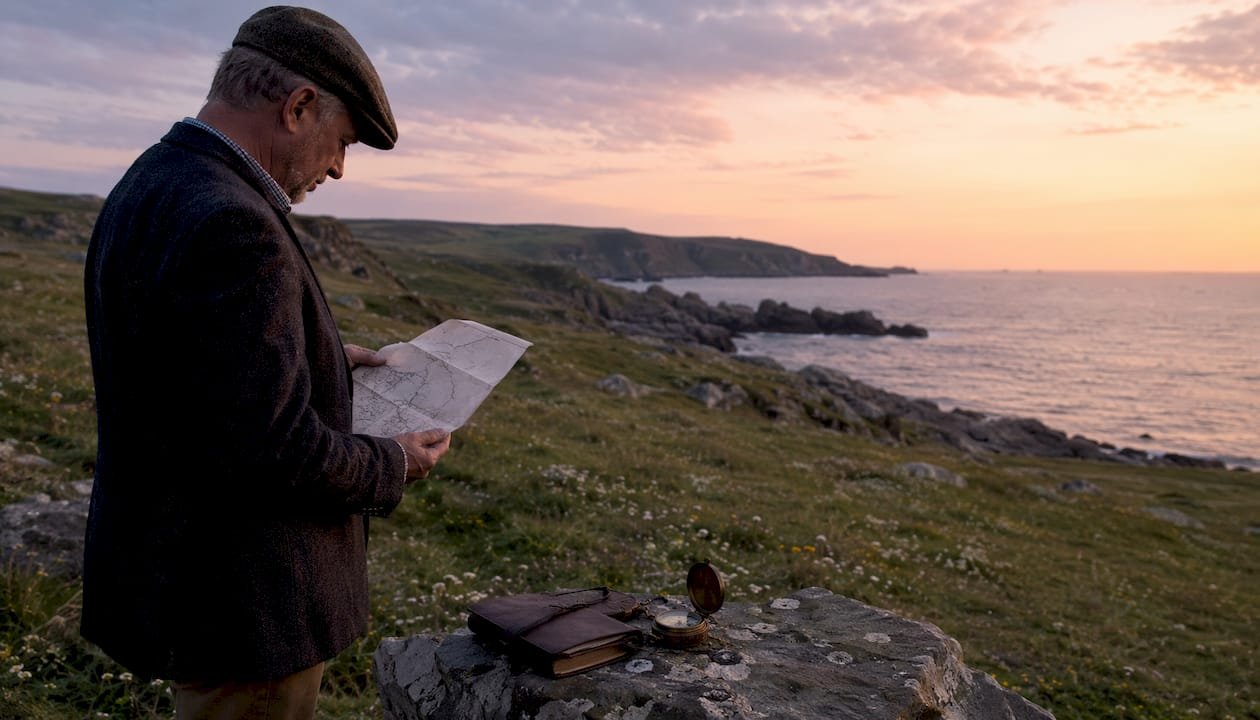
Three itinerary shapes cover most travellers’ needs. Each can be tailored by Skyehighlandstours to your group size and pace.
| Itinerary | Main stops | Duration | Start / finish |
|---|---|---|---|
| Culloden focus | Culloden, Clava Cairns, Cawdor Castle | Full day | Inverness area |
| West-coast 1745 route | Glenfinnan Monument, Glenfinnan Viaduct, Kinlochmoidart | Full day | Fort William area |
| Multi-day 1745 campaign | Killiecrankie, Glenfinnan, Kinlochmoidart, Culloden | 2–3 days | Perth or Inverness |
The Culloden focus day suits first-time visitors and families; the Culloden, Clava Cairns and Cawdor Castle tour is a ready-made version of exactly this. The west-coast route rewards those who want the campaign’s beginning rather than its end. The multi-day option is the most narratively satisfying: starting at Killiecrankie in 1689 and finishing at Culloden in 1746 gives the full arc of Jacobite ambition and defeat.
A private guide adds most value at Kinlochmoidart (estate access), Soldier’s Leap (tactical context on the ground), and Leanach Cottage (the human scale of the battle). These are the moments where walking the terrain beats reading a panel.
Practicalities: opening hours, costs, transport and seasonal notes
Budget sensible time and modest additional fees for visitor centres; wear layers and waterproof footwear and expect variable mobile signal in remote areas.
- Opening hours — National Trust for Scotland sites (Culloden, Killiecrankie, Glenfinnan) generally open year-round, though hours shorten in winter. Historic houses and private estates such as Cawdor Castle and Kinlochmoidart have seasonal access; always check official sites before travelling.
- Costs — National Trust for Scotland members enter Culloden, Killiecrankie and Glenfinnan free. Non-members pay standard admission at each site. Cawdor Castle charges separately. The Jacobite Steam Train requires a separate rail booking.
- Transport — Most sites are reachable by car or coach. Kinlochmoidart requires a private vehicle and ideally a guide to confirm access. The Jacobite Steam Train is the exception: it runs on a fixed timetable and sells out quickly in summer.
- Accessibility — Culloden’s main paths are surfaced and suitable for wheelchairs. Killiecrankie’s gorge path is uneven. Kinlochmoidart’s Prince’s Walk involves rough ground. Clava Cairns is flat and accessible.
- Seasonal considerations — Late spring through early autumn offers the best weather and longest daylight. Some exposed moorland sites are bleak and wet in winter, which can actually heighten the atmosphere at Culloden but makes Kinlochmoidart’s walk impractical.
Pro Tip: Print your itinerary and a basic map before leaving. Mobile signal drops out reliably around Kinlochmoidart and parts of the West Highland Line corridor, and a paper backup keeps private transfers on schedule.
Key takeaways
The most rewarding Jacobite tours treat the sites as a connected campaign route rather than separate attractions, with Culloden as the emotional centrepiece and Glenfinnan or Killiecrankie as the narrative starting point.
| Point | Details |
|---|---|
| Prioritise these seven sites | Culloden, Glenfinnan, Killiecrankie, Clava Cairns, Cawdor Castle, Kinlochmoidart, and the Jacobite Steam Train corridor cover the full story. |
| Match itinerary shape to your time | A single day suits a Culloden focus; 2–3 days are needed for the full 1745 campaign arc from Killiecrankie to Culloden. |
| Verify seasonal access | Cawdor Castle and Kinlochmoidart have limited or seasonal opening; confirm before booking. |
| Trust NTS and Jacobite Scotland | National Trust for Scotland visitor centres and the Jacobite Scotland network provide balanced, authoritative interpretation at each site. |
| Book with Skyehighlandstours | Skyehighlandstours builds private itineraries around these sites with local guides who can confirm estate access and sequence stops into a coherent narrative. |
What actually makes a Jacobite visit memorable
Most people who visit Culloden come away moved. Fewer can explain exactly why. The battlefield itself is not dramatic to look at: flat moorland, low cairns, a line of stones. What a good guide does is make the scale legible. When you understand that the entire battle lasted under an hour and that the Jacobite line was perhaps 500 metres wide, the ground suddenly feels very small for what happened on it.
The sites that tend to surprise visitors most are the quieter ones. Kinlochmoidart’s Prince’s Walk, for instance, is not on every itinerary, but it is where the campaign feels most personal. You are walking ground that Charles Edward Stuart walked in the weeks before Glenfinnan, before any of it had gone wrong. That contrast with Culloden, visited later the same day or the next, is something no visitor centre exhibit can replicate.
Timing matters more than most guides admit. Culloden at 9 AM, before the coach parties arrive, is a genuinely different experience from Culloden at noon. The same applies to Killiecrankie: the gorge path in early morning light, with the river audible below, gives you the tactical geography in a way that the visitor centre alone cannot. A private guide can sequence the day to catch those windows.
Private Jacobite tours with Skyehighlandstours
Skyehighlandstours offers something the self-drive approach cannot: a local guide who has already confirmed estate access, knows which sites reward an early start, and can sequence Culloden, Glenfinnan, Killiecrankie and Kinlochmoidart into a day or multi-day route that actually tells a story rather than ticking boxes.
Private tours are priced per booking rather than per person, which makes them genuinely cost-effective for families and small groups. Itineraries are fully customisable: a single-day Culloden focus, a west-coast Glenfinnan route, or a 2–3 day campaign trail from Killiecrankie to the final battlefield. Skyehighlandstours handles logistics, transport, and access queries so you arrive at each site ready to engage rather than navigate.
To request a tailored Jacobite itinerary, visit the private tours page or browse the Scottish Highlands destination guide for route ideas and pricing information.
Authoritative sources and further reading
Check these official sources for current opening times, admission prices, and estate access before your visit:
- Culloden — National Trust for Scotland — visitor centre hours, accessibility, and membership admission
- Glenfinnan Monument — National Trust for Scotland — monument and viaduct visitor information
- Killiecrankie — National Trust for Scotland — visitor centre, Soldier’s Leap, and weapons handling
- Kinlochmoidart — Historic Environment Scotland — estate designation and landscape features
- Jacobite Scotland — searchable network of 70+ Jacobite sites with thematic trail suggestions
- National Army Museum — Jacobite Risings — historical context and campaign overview
- Black Watch Museum, Perth — regimental collections with Jacobite-era material
Always confirm seasonal openings directly with each site or ask your private guide to verify access before the day.
FAQ
What are the most important Jacobite battle sites in Scotland?
Culloden Battlefield (1746) and the Pass of Killiecrankie (1689) are the two most significant Jacobite battle sites, both managed with visitor centres and interpreted trails. Culloden, where a large number of men were killed in under an hour, is the essential starting point for any Jacobite itinerary.
How long does a visit to Culloden Battlefield take?
Plan a minimum of half a day for Culloden, including the 360° theatre, Leanach Cottage, and the clan grave stones on the moor. Pairing it with Clava Cairns and Cawdor Castle fills a full day comfortably.
Do I need a private guide to visit Jacobite sites?
A private guide is not required for National Trust for Scotland sites, but is strongly advisable for estate stops such as Kinlochmoidart, where access is seasonal and not always publicly listed. A guide also sequences sites into a coherent narrative that self-guided visits rarely achieve.
When is the best time to visit Jacobite sites in Scotland?
Late spring through early autumn offers the best combination of weather, daylight, and site access. Culloden is open year-round, but exposed moorland sites are significantly more demanding in winter. Book the Jacobite Steam Train well in advance for summer travel.
Can Skyehighlandstours build a custom Jacobite itinerary?
Yes. Skyehighlandstours designs private Jacobite tours around Culloden, Glenfinnan, Killiecrankie, and linked historic sites, with flexible durations from a single day to a multi-day campaign route.