
Your cart is empty Continue Shopping
Cultural heritage tour guide: Scotland’s living history
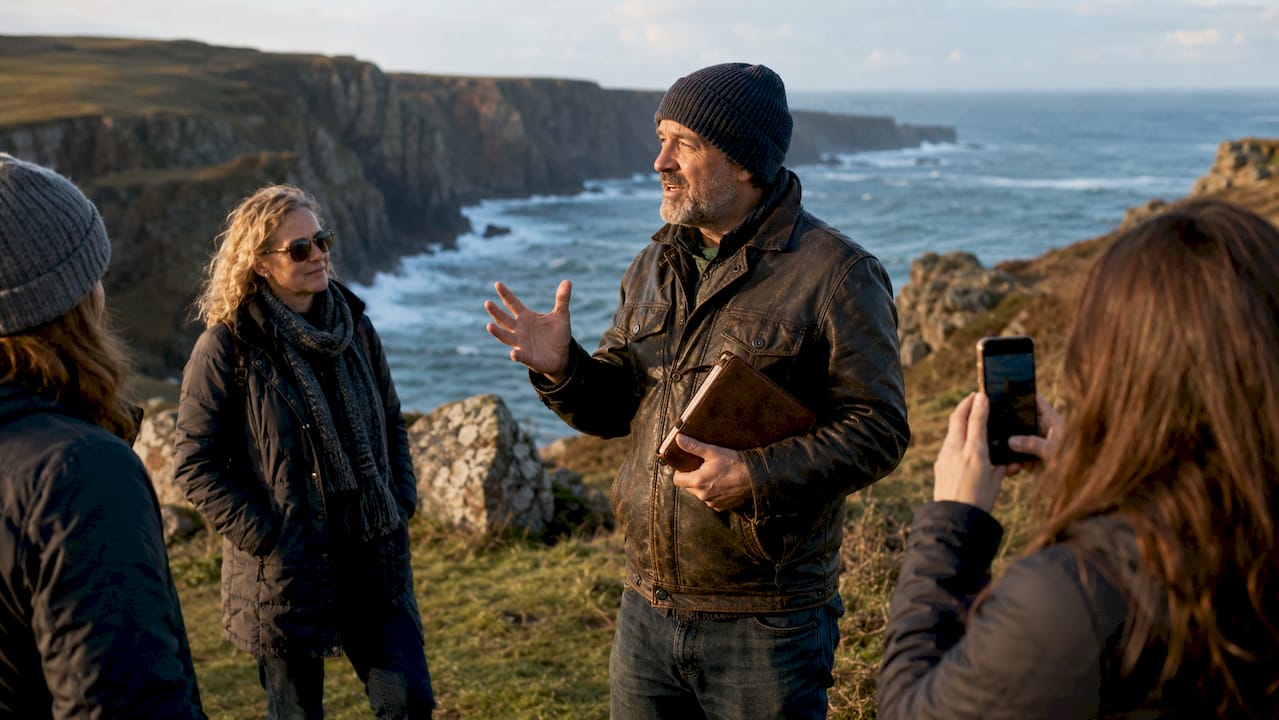
A cultural heritage tour guide is a trained specialist who connects travellers to the history, traditions, and living culture of a place through expert storytelling and local knowledge. In Scotland, the role carries particular weight. The Highlands, the Isle of Skye, Loch Ness, and Glenfinnan Viaduct are not simply scenic backdrops. They are layered with clan histories, Gaelic traditions, and centuries of social change that only a skilled guide can bring to life. Skyehighlandstours works with exactly this kind of expertise, offering private guided trips that go far beyond standard sightseeing.
What makes an effective cultural heritage tour guide in Scotland?
A skilled heritage guide does far more than recite dates. The recognised industry term for this specialism is interpretive guide, and the best practitioners combine deep local knowledge with the ability to tailor every narrative to the people standing in front of them. Guides dedicate 50–70% of tour time to customised storytelling rather than generic scripts. That figure reflects a fundamental truth: no two groups arrive with the same background, curiosity, or emotional connection to a place.
The core skills of an effective guide fall into three areas.
- Storytelling and narrative framing. A guide links ancient sites to contemporary life, making history feel immediate rather than distant. At a site like Eilean Donan Castle, that means explaining not just the 13th-century origins but the clan politics that shaped modern Highland identity.
- Local knowledge and continuous learning. Licensed guides prioritise connecting historical landmarks to modern contexts, updating their content regularly to reflect new research and community perspectives.
- Community ethics and sensitivity. Guides manage narrative, logistics, and community respect, acting as ambassadors between travellers and local people. This is especially relevant in small Highland communities where tourism pressure is real and relationships matter.
- Adaptability for diverse groups. A good guide adjusts pace, language, and route for families, older travellers, and those with limited mobility. Skyehighlandstours specifically tailors itineraries to physical abilities and group size.
Pro Tip: Before booking, ask your guide directly how they handle groups with mixed interests or mobility needs. A confident, specific answer is the clearest sign of genuine experience.
The role of local Scottish guides extends beyond knowledge transfer. It shapes the ethical and social tone of every visit.
How to plan and book an authentic heritage tour in Scotland
Booking a guided cultural trip in Scotland rewards advance planning. Visitor caps at popular sites are a growing reality across heritage tourism globally. Pompeii limits 20,000 visitors per day with named tickets required. Scotland’s most visited sites, including Skara Brae, Urquhart Castle, and the Callanish Standing Stones, face similar pressures during peak months. Booking early secures your place and guarantees a licensed guide rather than a last-minute substitute.
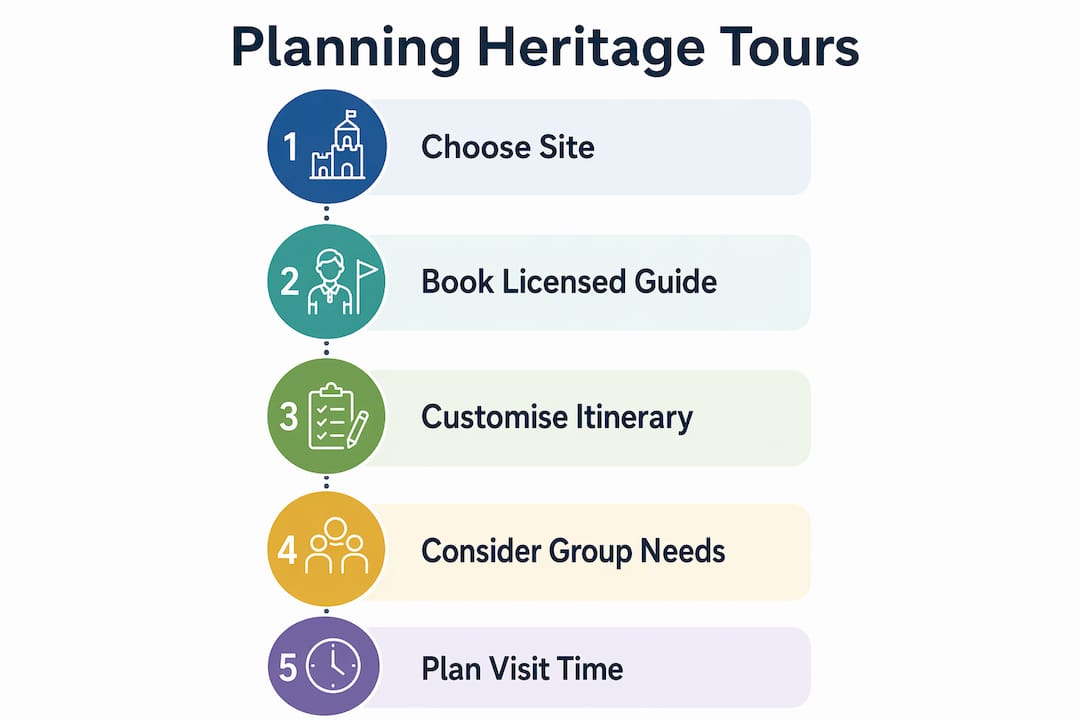
Follow these steps to plan effectively.
- Book at least four to six weeks ahead for summer visits (june through august). Private tours with Skyehighlandstours fill quickly, particularly for full-day Highlands excursions.
- Choose morning departures. Morning tours avoid crowds and allow guides to pace storytelling without interruption. The light in the Scottish Highlands is also at its most dramatic before midday.
- Select a licensed, specialist guide. A general sightseeing driver and a qualified heritage tourism expert are not the same thing. Look for guides with formal accreditation from bodies such as the Scottish Tourist Guides Association.
- Match tour length to your group. Heritage walking tours typically last 90 minutes to 2.5 hours, mixing landmark visits with storytelling. Full-day private tours cover more ground but require reasonable fitness.
- Combine guided introductions with free exploration. Guided visits to Pompeii take 2.5–3 hours versus 4–5 hours self-guided. The principle applies in Scotland: a guided introduction to a site like the Glenfinnan Viaduct gives context, then free time lets the experience settle.
| Site type | Recommended tour length | Best time to visit |
|---|---|---|
| Castles (e.g. Eilean Donan) | 2–3 hours | Morning, weekdays |
| Archaeological sites (e.g. Skara Brae) | 1.5–2.5 hours | Early morning |
| Scenic landmarks (e.g. Glenfinnan Viaduct) | 1–2 hours | Morning or late afternoon |
| Whisky distilleries | 2–4 hours | Any time, pre-booked |
Pro Tip: Check whether your guide offers a customised Highland itinerary rather than a fixed route. Flexible planning makes a significant difference when weather or group energy shifts.
How do heritage tours differ from general sightseeing?
General sightseeing delivers locations. A cultural experience guide delivers meaning. The distinction is not subtle. A sightseeing tour of Loch Ness shows you the water and the ruins of Urquhart Castle. A heritage tour explains the Jacobite risings, the clearances that emptied the glens, and the Gaelic language that once filled them. Visitors gain far more immersive experiences when tours highlight living culture and modern life connections alongside historical information.
Authentic local heritage tours include elements that standard tours rarely offer.
- Workshop and craft visits. Community tour operators stress the value of genuine engagement beyond standard landmark stops. In Scotland, this might mean visiting a working croft, a Harris Tweed weaver, or a traditional boat builder on the west coast.
- Community storytelling. The best guides introduce travellers to local voices, not just local sites. A conversation with a Gaelic speaker in a village on the Isle of Skye carries more weight than any museum caption.
- Living culture woven into history. Scottish heritage is not frozen in the past. The role of Scottish cultural heritage in identity and arts is active and evolving, and a skilled guide makes that visible.
“History is dynamic and best presented by linking ancient sites to contemporary life.” This principle, applied consistently by expert interpretive guides, is what separates a memorable tour from a forgettable one.
Flexible pacing is another defining feature. Tours can extend by 30–60 minutes when a group is deeply engaged, something that large standardised tours cannot accommodate. Private tours with Skyehighlandstours are built around exactly this kind of responsiveness.
Common challenges in heritage tours and how to handle them
Even well-planned guided cultural trips encounter friction. Knowing the common pitfalls in advance makes the difference between a frustrating day and an exceptional one.
- Underestimating physical demands. Many Scottish heritage sites involve uneven ground, steep paths, or significant walking distances. Confirm the physical requirements with your guide before departure and wear appropriate footwear.
- Booking too late. Popular sites and private guides fill up weeks in advance. Leaving booking to the last minute often means settling for a group tour with less flexibility. Use a private tours booking guide to plan your dates early.
- Ignoring weather. Scottish weather changes rapidly. Morning tours reduce exposure to afternoon rain, but always carry a waterproof layer regardless of the forecast.
- Passive listening. The most rewarding heritage experiences come from active engagement. Ask your guide questions, request detours to sites that interest you, and take time to absorb each location rather than rushing to the next.
- Overlooking sustainability. Responsible travel at heritage sites means staying on marked paths, not touching ancient stonework, and respecting any photography restrictions. A good guide enforces these boundaries without making them feel punitive.
Pro Tip: Tell your guide your specific interests before the tour begins, whether that is military history, Gaelic language, geology, or whisky heritage. Guides who tailor narratives to audiences will immediately adjust their storytelling to match.
Respecting local culture is not optional. It is the foundation of sustainable heritage tourism. Communities in the Highlands and on the islands have seen the negative effects of careless mass tourism. Choosing a private, locally led tour is itself an act of respect.
Key takeaways
A skilled cultural heritage tour guide transforms Scottish history from background scenery into a living, personal encounter that stays with you long after you leave.
| Point | Details |
|---|---|
| Guide quality defines the experience | Choose a licensed, specialist guide with local knowledge and storytelling skills, not just a driver. |
| Book early for popular sites | Visitor caps and private tour availability mean advance booking of four to six weeks is the minimum. |
| Morning tours outperform afternoon visits | Earlier starts avoid crowds, deliver better light, and allow unhurried storytelling. |
| Heritage tours go beyond sightseeing | Authentic tours include community interactions, craft visits, and living culture, not just landmark stops. |
| Flexibility is a premium feature | Private tours that adjust pace and route to group engagement deliver significantly richer experiences. |
Why local guides changed how I see Scotland
Scotland’s history is not short of drama. Clan warfare, the Jacobite cause, the Highland Clearances, the survival of Gaelic culture against enormous pressure. You can read all of it in books. But standing at the site of the Battle of Culloden with a guide who can trace their own family back to the men who fought there is a completely different experience. That is what I have seen, again and again, on well-led heritage tours across the Highlands.
The guides who leave a lasting impression are not the ones with the longest scripts. They are the ones who listen first. They notice which member of the group leans in when the Jacobites come up, and which one lights up at the mention of whisky heritage or Gaelic song. Then they build the rest of the tour around those moments. That kind of responsiveness cannot be replicated by an audio guide or a self-guided app.
My honest view is that most travellers underestimate how much a guide’s personal connection to a place matters. A guide who grew up hearing stories about Loch Ness from a grandparent brings something to the tour that no amount of professional training can fully replicate. When you are choosing between operators, ask where your guide is from. The answer tells you more than any accreditation list.
— Alin
Explore Scotland’s heritage with Skyehighlandstours
Scotland’s cultural heritage deserves more than a windscreen view. Skyehighlandstours offers private Highland experiences led by expert local guides across the Isle of Skye, Loch Ness, Glenfinnan Viaduct, the Black Isle, and beyond. Every tour is built around your group’s interests, pace, and physical abilities, whether you are drawn to clan history, Gaelic culture, whisky heritage, or dramatic landscapes.
Private tours mean no shared coaches, no fixed scripts, and no rushing past the moments that matter most. Skyehighlandstours also offers specialised tour options for travellers who want to go deeper into specific aspects of Scottish heritage. Spaces fill quickly, particularly from may through september. Book directly through Skyehighlandstours to secure your guide and dates for 2026.
FAQ
What is a heritage tour?
A heritage tour is a guided experience focused on the history, culture, and traditions of a specific place, led by a specialist guide who connects sites to their living social context. It differs from general sightseeing by prioritising storytelling, community engagement, and cultural meaning over simple location visits.
How long does a cultural heritage tour typically last?
Heritage walking tours typically last 90 minutes to 2.5 hours, while full-day private tours in Scotland can run six to eight hours depending on the itinerary and group pace.
Do I need to book a heritage tour in advance?
Yes. Popular sites operate with visitor caps, and private licensed guides book up weeks ahead. Booking four to six weeks in advance is the minimum for peak season visits between june and august.
What should I look for in a cultural experience guide?
Look for formal accreditation, genuine local roots, and the ability to tailor storytelling to your group’s interests. A guide who asks about your background before the tour begins is a strong indicator of quality.
Are private heritage tours worth the extra cost?
Private tours offer flexible pacing, customised routes, and direct access to a guide’s personal knowledge. These are features that group tours cannot match, and for heritage travel in Scotland, that difference is significant.