
Your cart is empty Continue Shopping
Cultural experiences in highlands: your 2026 guide
Authentic cultural experiences in the Scottish Highlands are defined by active participation in community life, not passive observation of staged performances. The Highlands offer travellers a rare chance to join ceilidh dances, learn traditional crafts, attend Highland games, and share meals prepared alongside local families. These are not tourist shows. They are living traditions practised by communities who have maintained them across centuries. This guide covers the most rewarding ways to engage with Highland culture in 2026, from festival timing to choosing the right tour format and embracing the unplanned moments that often become the most memorable.
What are the best immersive cultural experiences in the Highlands?
The richest cultural experiences in the Highlands centre on doing, not watching. Active participation in crafts, cooking, and ceremonies transforms a visit from spectating to belonging, deepening respect and mutual trust between visitor and community.
The most rewarding activities include:
- Ceilidh dancing and bagpiping sessions. Community ceilidhs take place in village halls across Inverness, Skye, and the Black Isle. Joining one as a participant rather than an audience member changes everything. Local musicians teach basic steps, and the atmosphere is genuinely warm.
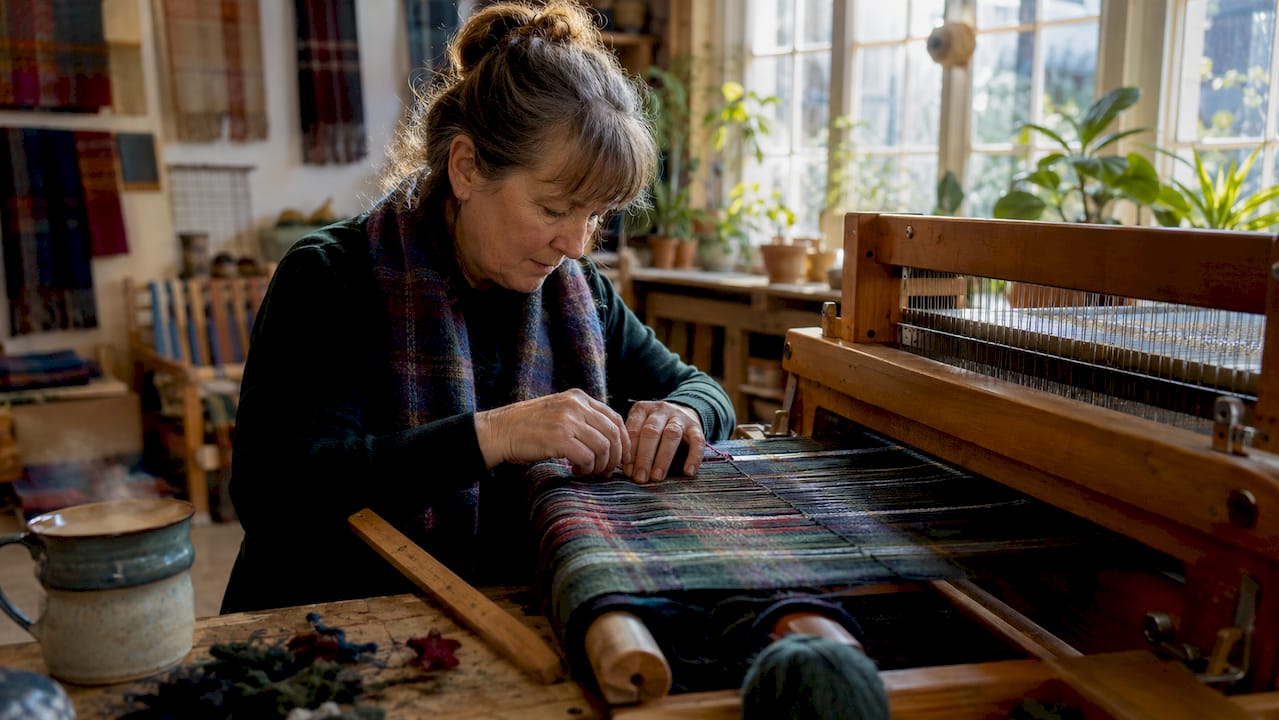
- Traditional craft workshops. Weaving, pottery, and Highland dress making are practised by skilled artisans across the region. Workshops in places like Portree and Beauly let you work alongside makers rather than simply buy their goods.
- Shared meals with local families. Immersive cultural activities include meal preparation with locals, where participants actively join traditional cooking sessions rather than watching staged performances. Dishes like cullen skink, haggis, and cranachan carry centuries of Highland identity.
- Highland games. Events such as the Braemar Gathering, held annually in september, include caber tossing, hammer throwing, and pipe band competitions. Attending as a spectator is enjoyable. Volunteering or entering amateur events is unforgettable.
- Clan heritage walks. Guided walks through sites like Culloden Battlefield or Glencoe connect visitors directly to the ancestral stories that shaped Highland identity.
Pro Tip: Book craft workshops directly through local artisan cooperatives rather than hotel concierge desks. You will pay less, and the artisan receives the full fee.
How to plan visits around Highland cultural festivals and seasonal events
Timing your trip around local festivals is the single most effective way to deepen your cultural engagement. Aligning itineraries with seasonal festivals leads to richer experiences with community feasts, dances, and ceremonies that are simply not available at other times of year.
The key events to plan around are:
- Hogmanay (late december to early january). Scotland’s New Year celebration is more communal and more intense in Highland villages than in cities. Expect first-footing traditions, bonfires, and open-door hospitality from locals.
- Beltane Fire Festival (late april to early may). Rooted in ancient Celtic tradition, Beltane marks the beginning of summer. Community fire ceremonies take place across the Highlands and connect visitors to pre-Christian Highland spirituality.
- Royal Highland Show (june). Held near Edinburgh but drawing Highland communities, this agricultural show celebrates rural Scottish life, livestock, and traditional food with genuine community pride.
- Highland games season (july to september). Games take place across dozens of towns from Inveraray to Pitlochry. The Cowal Highland Gathering in Dunoon is one of the largest in the world.
- Harvest and whisky festivals (september to october). Distilleries across Speyside and the north open their doors for the Spirit of Speyside Whisky Festival. Harvest suppers in farming communities offer a quieter, more personal cultural window.
Book 3–6 months ahead to align your itinerary with community schedules. Accommodation near festival sites fills quickly, and some community events require advance registration. You can also customise your Highland itinerary to build festival dates into a broader cultural trip.
Pro Tip: Contact the local community council or tourist information centre for the area you plan to visit. They often know about smaller, unlisted events that never appear on national tourism websites.
Comparing Highland cultural tour formats: private, group, and bespoke
Not all highland cultural tours deliver the same depth of experience. The format you choose shapes how closely you connect with local communities and how much flexibility you have to follow cultural moments as they arise.
| Tour format | Best for | Cultural depth | Flexibility | Community impact |
|---|---|---|---|---|
| Private tour | Couples, families, small groups | High | High | Direct, personal |
| Group tour | Solo travellers, social explorers | Moderate | Low | Shared, less personal |
| Bespoke tour | Deep cultural immersion seekers | Very high | Very high | Co-designed with locals |
Private tours typically last 3–8 days and prioritise bespoke experiences that allow deeper community engagement over standard group departures. That depth is the defining difference. A private guide can take you to a family farm, introduce you to a local weaver, or adjust the day’s plan when a spontaneous village event appears.
Group tours suit travellers who enjoy shared discovery and are comfortable with a fixed schedule. The trade-off is intimacy. With twelve people in a minibus, a local host cannot give the same personal attention as they would to a couple or a family of four.
Bespoke experiences, co-designed with local community leaders, go furthest. They are shaped around heritage preservation goals as much as visitor enjoyment. Personalised Highland tours of this kind create lasting memories precisely because the itinerary reflects genuine local priorities, not a packaged version of Highland life.
What role do local guides play in authentic Highland cultural experiences?
Local guides are not simply navigators. They are cultural ambassadors who determine whether a visitor’s engagement with Highland traditions is respectful or inadvertently intrusive.
Knowledgeable local guides ensure visitors observe rituals and ceremonies appropriately, particularly in contexts involving ancestral practices or community hierarchies. This matters in the Highlands, where clan structures, land rights, and spiritual connections to place carry real social weight.
The specific roles a good local guide fills include:
- Cultural translation. A guide explains the meaning behind a tradition, not just its surface appearance. Knowing why a particular lament is played at a gathering changes how you hear it.
- Access facilitation. Guides open doors that are closed to independent travellers. A family ceilidh, a private distillery tour, or a conversation with a local historian rarely appears on any booking platform.
- Boundary setting. Guides signal when photography is unwelcome, when silence is appropriate, and when participation crosses into intrusion.
- Sustainable tourism support. Communities where young people lead tours reflect vibrant, living culture rather than a static or declining heritage. Choosing guides from within the community keeps economic benefit local.
Pro Tip: Ask your guide about their own family connection to the area before the tour begins. The answer tells you immediately whether you have hired a local or someone performing a local role.
You can read more about the value of working with specialists on why local Scottish guides matter for any Highland trip.
How to embrace slow travel and spontaneous cultural moments in the Highlands
The most memorable moments in any Highland visit rarely appear on the itinerary. Building 20–30% buffer time into your schedule allows spontaneous interactions that often become the highlight of the entire trip.
Slow travel in the Highlands means accepting the pace of the place. A morning planned around a castle visit might become an afternoon in a local pub listening to a retired shepherd describe the 1970s clearances. A market stop in Dingwall or Portree might turn into a two-hour conversation with a textile maker who invites you to her studio. These moments cannot be booked.
“Following the locals’ pace and accepting spontaneous invitations distinguishes authentic travel from tourist performances.” Authentic travel insight
Practical ways to build flexibility into your Highland trip:
- Leave at least one full afternoon per three days completely unscheduled.
- Walk through village centres without a destination. Conversations start at bakeries, post offices, and community noticeboards.
- Accept invitations. If a local suggests joining a meal or a gathering, say yes. Hospitality is central to Highland culture, and declining can feel like a rebuff.
- Visit local markets. Farmers’ markets in Inverness and Ullapool run regularly and attract producers who are genuinely happy to talk about their work.
Authentic experiences rely on non-scheduled interactions. Flexibility is not a nice-to-have. It is the condition that makes genuine cultural connection possible.
Key takeaways
The most authentic cultural experiences in the Scottish Highlands come from active participation, local guidance, and the willingness to follow the community’s rhythm rather than a fixed itinerary.
| Point | Details |
|---|---|
| Participate actively | Join ceilidhs, craft workshops, and shared meals rather than observing from a distance. |
| Time visits around festivals | Book 3–6 months ahead to align with Highland games, Hogmanay, or Beltane events. |
| Choose the right tour format | Private and bespoke tours deliver deeper cultural access than standard group departures. |
| Use local guides | Guides open community doors, set respectful boundaries, and keep tourism benefits local. |
| Build in buffer time | Leave 20–30% of your schedule unplanned to allow spontaneous cultural moments to emerge. |
What I have learned from years of Highland travel
The thing most visitors get wrong
Most travellers arrive in the Highlands looking for a postcard. They want the misty glen, the ruined castle, the lone piper at sunset. Those things exist, and they are genuinely beautiful. But they are the surface, not the substance.
The communities behind those landscapes are what make the Highlands extraordinary. I have sat in a farmhouse kitchen in Wester Ross listening to a woman in her eighties describe her grandmother’s memories of the land. That conversation taught me more about Highland identity than any museum exhibit I have ever visited.
The mistake is treating culture as scenery. Highland traditions are not decorative. They are functional, contested, and alive. The Gaelic language revival, the ongoing debate over land ownership, the tension between tourism income and community privacy: these are the real stories. The travellers who engage with them leave with something that cannot be photographed.
My honest advice is this: be patient, be quiet, and listen more than you speak. The Highlands reward humility. Communities here have seen generations of visitors arrive with assumptions and leave unchanged. The ones who return are the ones who arrived open.
— Alin
Plan your Highland cultural experience with Skyehighlandstours
Skyehighlandstours specialises in private Highland tours designed around genuine cultural immersion. Every itinerary is built with expert local guides who know the communities, the festivals, and the traditions that make the Highlands worth visiting.
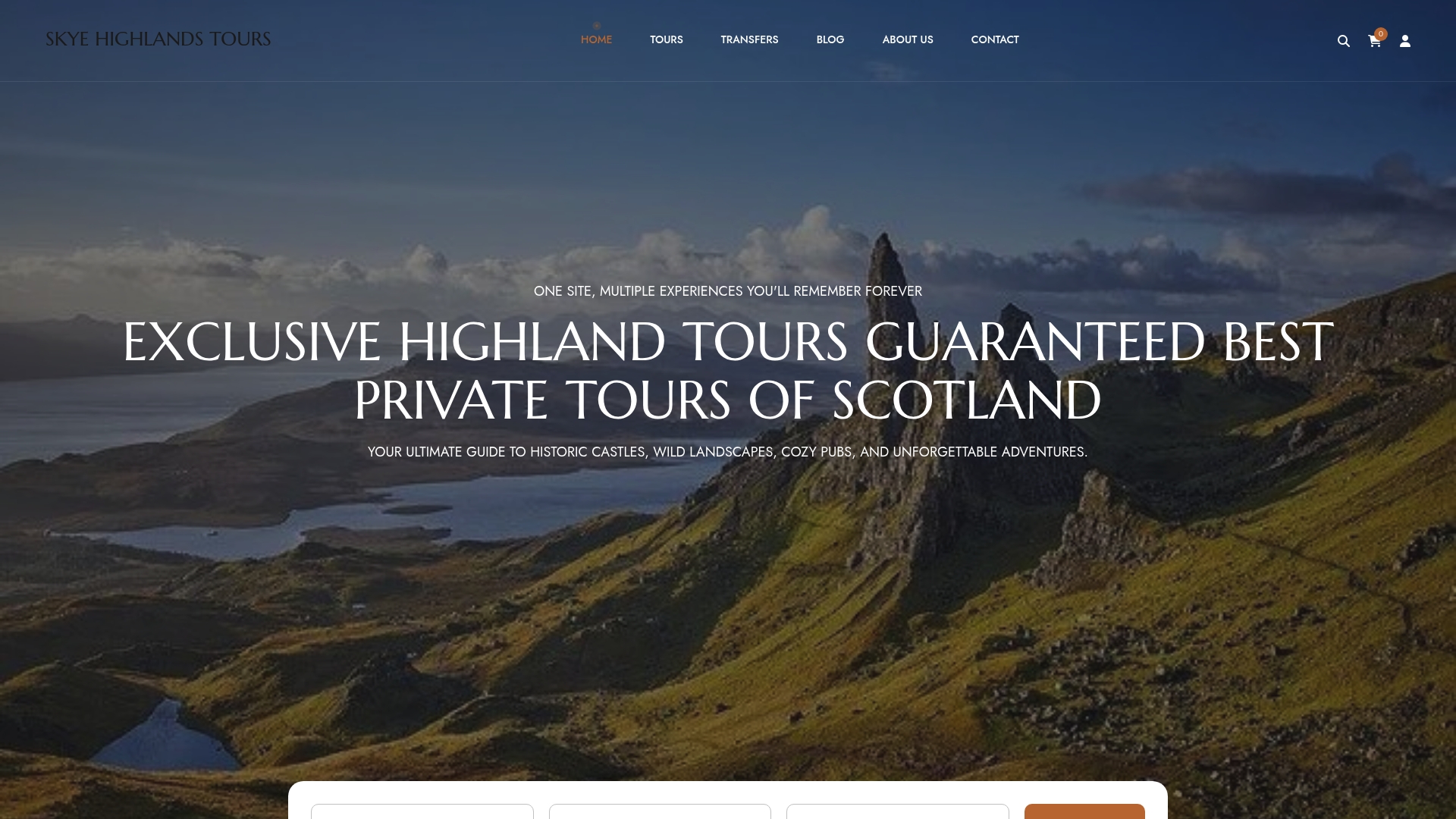
Whether you want to time your trip around the Braemar Gathering, join a whisky harvest in Speyside, or simply explore Highland heritage at your own pace, Skyehighlandstours builds the itinerary around your interests. Flexible scheduling, small group sizes, and deep local knowledge set these tours apart from standard sightseeing packages. Explore the full range of private and bespoke options and start planning a Highland trip that goes well beyond the surface.
FAQ
What counts as an authentic Highland cultural experience?
Authentic Highland cultural experiences involve active participation in local traditions such as ceilidh dancing, craft workshops, Highland games, and shared meals. Staged performances designed purely for tourists do not qualify.
When is the best time to visit the Highlands for cultural festivals?
The richest festival period runs from june through september, covering Highland games, agricultural shows, and whisky festivals. Hogmanay in late december offers the most intimate community celebrations.
How far ahead should I book a Highland cultural tour?
Book 3–6 months in advance to align with community events and secure accommodation near festival sites. Popular events like the Braemar Gathering and Cowal Highland Gathering fill quickly.
Do I need a local guide for Highland cultural visits?
A local guide is not legally required, but one is strongly recommended. Guides provide cultural context, facilitate access to private community events, and ensure respectful engagement with sensitive traditions.
Are Highland communities welcoming to cultural tourists?
Highland communities are genuinely hospitable, provided visitors approach with respect and curiosity rather than entitlement. Accepting invitations, learning a few Gaelic phrases, and supporting local businesses all signal good faith.