
Your cart is empty Continue Shopping
Six historic inns worth building into your Highland tour
Your guide should be able to name at least six inns on request: the Clachnaharry Inn near Inverness for 17th‑century coaching history, the Fiddichside Inn at Craigellachie for its untouched railway‑era bar, The Castle Tavern for a castle‑front pause in Inverness itself, The Drovers Inn at Loch Lomond for atmosphere and live music, The Spey Inn at Craigellachie for its 1703 droving roots, and the Stein Inn on Skye for the oldest inn on the island. These are examples of historic inn locations that genuinely earn a place on a private itinerary rather than just filling time between sights.
- Clachnaharry Inn — 17th‑century coaching inn, clan history
- Fiddichside Inn — railway‑era bar, original fittings
- The Castle Tavern — Inverness castle‑front stop
- The Drovers Inn — droving heritage, music, storytelling
- The Spey Inn — 1703 origins, distilling and droving links
- Stein Inn — Skye’s oldest inn, coastal views
Key Takeaways
Historic inns work best on a private Highland tour when chosen for genuine heritage value, booked well in advance, and timed to avoid peak‑season crowding.
| Point | Details |
|---|---|
| Shortlist by story, not just age | Pick inns like Clachnaharry or the Spey Inn that connect to a specific event or trade, not just an old building. |
| Confirm details before travel day | Pre‑book dining, check accessibility and parking, and ask about narrow doorways or steps in advance. |
| Budget realistic time | Allow 45 minutes for a drinks stop or up to 90 minutes for a meal, scheduled earlier where possible. |
| Watch the calendar | May to September brings the heaviest crowds to popular inns, so plan timing accordingly. |
| Spread stops geographically | Mix Inverness, Speyside, Loch Lomond and Skye inns to vary the history told across a multi‑day tour. |
Table of Contents
- Why historic inns make strong stops on a private Highland tour
- How to choose which historic inn to include on your tour
- Booking, accessibility and timing: getting the visit right
- Six example historic inns for your itinerary
- How Skye Highlands Tours builds inn stops into private itineraries
- Etiquette and preservation: visiting historic inns properly
- What amenities and services to expect at a historic inn
- Spreading historic inn stops across different Highland regions
- The history behind each inn’s reputation
- Architecture worth pointing out at each stop
- What the conventional Highland itinerary gets wrong
- Sources
- FAQ
Why historic inns make strong stops on a private Highland tour
A good inn stop does more than feed a group. It gives your guide a physical anchor for a story that otherwise stays abstract: a clan skirmish, a droving route, a railway line long since lifted. Sitting in a room that has held that history for two or three centuries changes how it lands.
- Architecture and interior fittings turn abstract history into something you can touch
- Whisky and local food experiences give the stop a sensory dimension beyond sightseeing
- A pause breaks up long driving legs and gives everyone a proper rest
Pro Tip: Ask your guide to time the inn stop for whenever the group’s energy is dipping, not strictly at the midpoint of the drive. A tired group gets far more out of a warm bar than another viewpoint.
How to choose which historic inn to include on your tour
Not every old pub deserves a place in your itinerary. A few practical filters separate the inns worth a detour from the ones better left as a passing mention.
- Check opening hours and group policy. Some rural inns keep short winter hours or limit walk‑ins during peak service, so confirm they can take a pre‑booked group before you build the stop into your route.
- Look for preserved interior features. Original bar counters, period woodwork and unaltered layouts, like those recorded at the Fiddichside Inn, give a guide far more to talk about than a modernised lounge.
- Weigh location against routing. An inn five minutes off your planned road is an easy addition; one that adds forty minutes each way needs to justify itself against the rest of the day.
- Factor in the season. May to September brings the heaviest crowds to popular inns, so a stop that feels intimate in April can feel rushed in August.
Get these four right and the inn becomes part of the day’s narrative rather than a random tea break.
Booking, accessibility and timing: getting the visit right
Historic inns rarely have the staffing or table flexibility of a modern hospitality venue, so the planning has to happen before the day arrives, not on it.
- Pre‑arrange dining or room use for groups, and discuss timing and menu choices with the inn directly rather than assuming walk‑in service will cope
- Confirm accessibility, parking and toilet access in advance; many older buildings have narrow corridors, low doorways or steps that were never designed with modern group tours in mind
- Allow enough time for a drinks‑only stop or longer if a meal is involved, and schedule earlier in the day where possible to beat both crowds and kitchen cut‑off times
- Check the inn’s photography policy and whether live music or a private event is booked for your date, since a Saturday night session changes the whole character of a visit
Pro Tip: Call the inn yourself, or ask your guide to, rather than relying solely on an online booking form. Small historic inns often answer questions about seating and access far better over the phone.
Six example historic inns for your itinerary
Clachnaharry Inn, on the edge of Inverness, is a 17th‑century coaching inn with a low‑ceilinged, intimate bar and direct links to local clan history, including its proximity to the site of the Battle of Clachnaharry. Its own history page adds detail on its position near the Beauly Firth, useful if your route includes the Caledonian Canal or the Kessock Bridge. It works well as a first or last stop on tours starting or ending in Inverness, where the drive time is minimal and parking is straightforward.
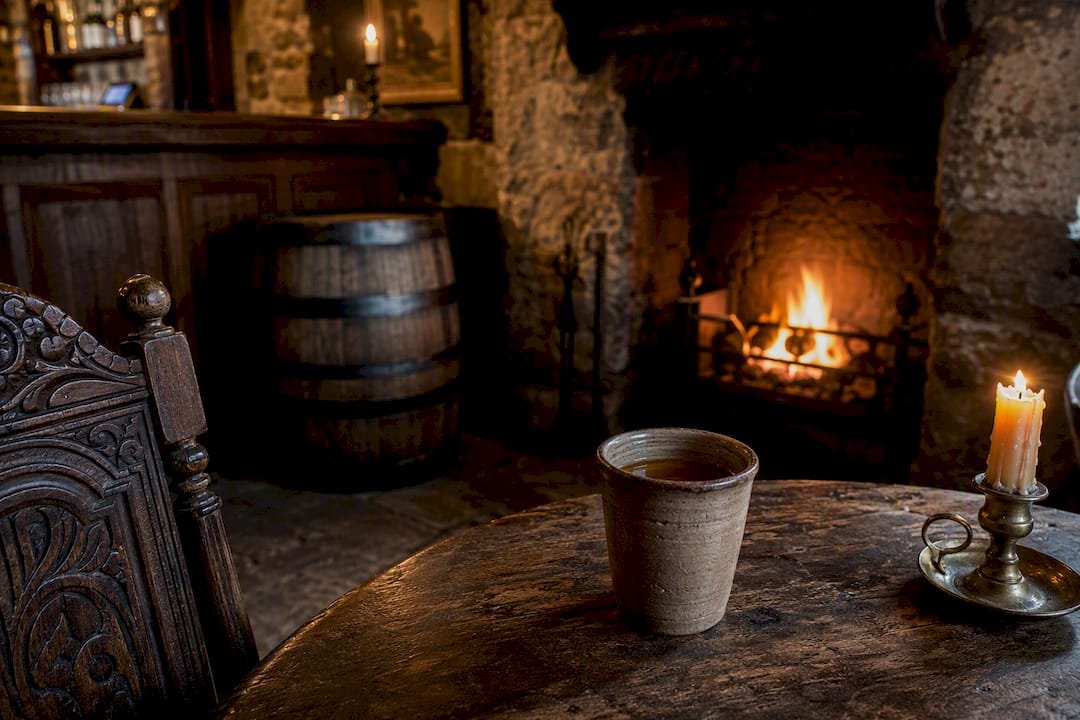
Fiddichside Inn, near Craigellachie, began life as a mid‑19th‑century railway refreshment room, and Historic Environment Scotland’s listing records it as largely unaltered, right down to its original fittings. Set on the riverside, it is small: this is a stop for a group of six or fewer rather than a full coach party, and it rewards guides who can explain how the railway reshaped Speyside’s distilling trade.
The Castle Tavern, sitting directly opposite Inverness Castle, trades on location rather than antiquity. It suits a half‑day city circuit where routing needs to stay simple and visitor facilities need to be reliable, particularly for groups who want a proper break before or after castle photographs.
The Drovers Inn, at the head of Loch Lomond, is built on centuries of droving‑trade hospitality and leans hard into atmosphere, with live music a regular feature. It suits tours that want storytelling with a livelier edge, though groups planning a quiet, contemplative stop should check what is booked on for the evening first.
The Spey Inn, also in Craigellachie, is billed as Scotland’s oldest drovers’ inn, dating to 1703. Its history ties directly to fishing, distilling and cattle droving, making it a natural pairing with a whisky‑focused day in Speyside, particularly alongside a North Whisky Tour itinerary.
Stein Inn, tucked on the shore at Lochbay on Skye, describes itself as the oldest inn on the island, with long family ownership and views straight across the water. It is remote enough that routing matters more here than for any other entry on this list, but for island‑focused itineraries it delivers a genuinely atmospheric, unhurried stop.
How Skye Highlands Tours builds inn stops into private itineraries
We treat a historic inn as an anchor point, not an afterthought. The usual workflow runs: pick the inn that fits the day’s theme and route, confirm opening times and menu options directly with the venue, then slot the visit into the itinerary with guide narration built around it.
- Small groups and couples can take a short drinks stop; larger parties or special occasions can book a full sit‑down meal
- Guides connect the inn’s own history to whatever else is on the day’s route, whether that is a castle, a battlefield or a distillery
- Tailored itineraries mean the inn stop moves to wherever it fits best in your day, rather than forcing your day around a fixed stop
- Local knowledge covers practical detail: parking, group size limits and which inns can and cannot take a coach party
This is the same logic that shapes our wider Scottish Highlands planning: pick the anchor, confirm the practicalities, then build the narration around it.
Etiquette and preservation: visiting historic inns properly
A building that has stood for two or three centuries survives on care, not luck, and a tour group can do real damage without meaning to. Low beams, narrow stairs and original woodwork are not decoration; they are the fabric of a listed or locally protected structure, and treating them that way changes how a visit should run.
Keep the group together and let the inn’s own staff guide movement through older sections, particularly anywhere marked as a snug or private room. Avoid leaning on original bar counters or panelling, and ask before taking photographs indoors, since some inns restrict this out of respect for other guests or for the building’s own conservation arrangements. If an inn like Fiddichside has visibly original fittings, treat them as you would a museum piece rather than ordinary pub furniture.
Tip generously where service has clearly gone out of its way for a group booking, and order food or drink rather than simply passing through: these inns often survive on exactly the custom a private tour brings. Leave promptly if the inn has another booking following yours, and always confirm dietary requirements and timing in advance so the kitchen isn’t caught out mid‑visit. Small courtesies like these are what keep an inn willing to take group bookings from tours in future.
What amenities and services to expect at a historic inn
Facilities vary enormously by size and remoteness, so it pays to know what a given inn actually offers before building it into a day’s plan. A city‑centre stop like The Castle Tavern will have modern toilets, full bar service and straightforward parking nearby. A remote coastal inn like Stein will have more limited facilities and may not have step‑free access throughout.
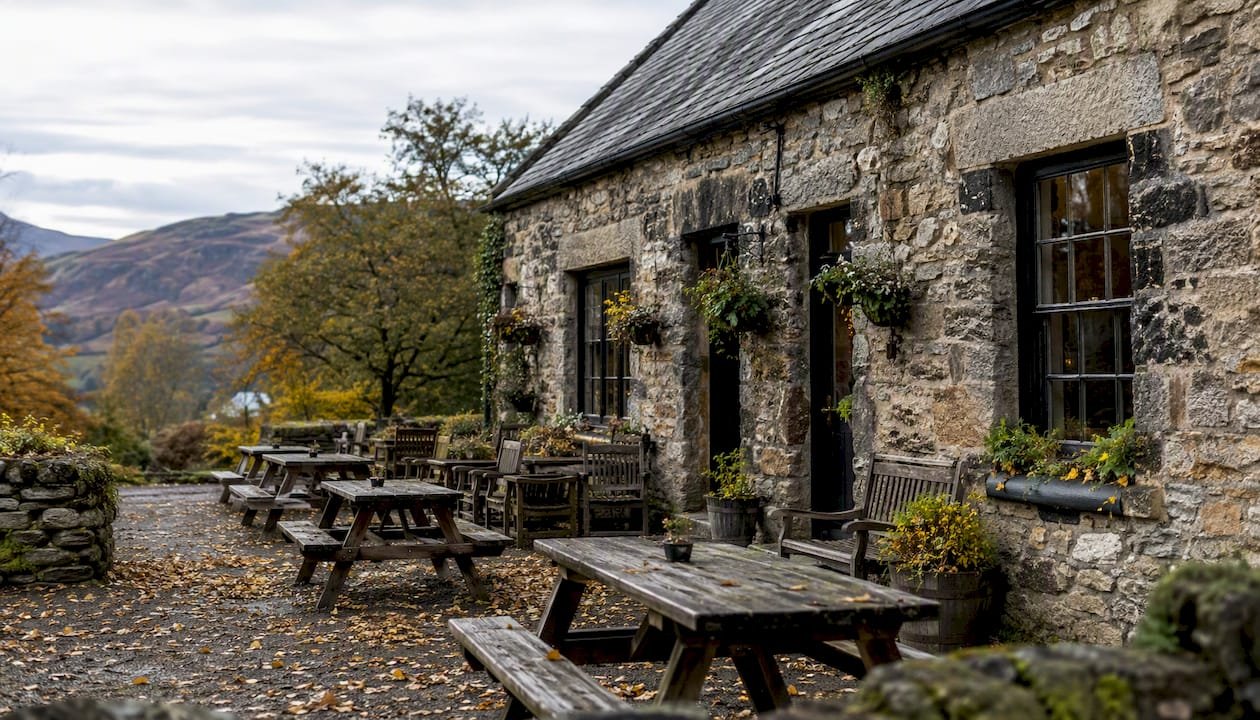
Most historic inns on this list offer a full bar, home‑cooked food, and seating for groups of varying sizes, though table capacity in older buildings is often fixed by the original layout rather than easily rearranged. Some, including the Spey Inn and Drovers Inn, also offer accommodation, which matters if your itinerary includes an overnight stop rather than a single meal break. Wi‑fi and card payment are increasingly standard even in rural inns, but coverage in remote areas like Lochbay can be patchy, so carrying some cash is sensible.
Ask specifically about disabled access, high chairs if travelling with families, and whether the inn can separate a group booking from its general walk‑in trade during busy periods. None of this is guesswork: a phone call ahead of the visit settles it, and it is far better to know before the group arrives than to discover a limitation on the day.
Spreading historic inn stops across different Highland regions
The six inns profiled here sit in genuinely different parts of the Highlands and Islands, which matters for anyone building a multi‑day tour rather than a single day trip. Clachnaharry and The Castle Tavern both sit in or near Inverness, making them natural bookends for tours that start or finish in the city. The Spey Inn and Fiddichside Inn are both in Speyside, close enough together that a whisky‑themed day could reasonably take in either, or both if time allows.
Stein Inn sits apart from the rest geographically, out on Skye’s Waternish peninsula, and works best as part of an island‑focused itinerary rather than a mainland day trip. The Drovers Inn, at the southern end of Loch Lomond, falls outside the core Highland loop but suits itineraries that extend south toward Glasgow or the central belt.
This spread matters because it lets a guide vary the type of history told at each stop: clan conflict near Inverness, droving and distilling in Speyside, island life on Skye. A tour that only ever stops at inns clustered around one town tells one version of Highland history. Spreading stops across regions tells several, and gives repeat visitors, or those on a longer multi‑day route, a genuinely different experience at each one.
The history behind each inn’s reputation
Each of these six inns earns its place through a specific historical association, not simply age for its own sake. Clachnaharry Inn’s link to the nearby Battle of Clachnaharry, fought between Munro and Mackintosh clansmen, gives guides a concrete event to narrate rather than vague talk of “clan history”. Fiddichside Inn’s connection to the Speyside railway explains why it still looks the way it does: it was built to serve passing rail traffic, and the line’s closure decades later left the building essentially frozen in its original form.
The Spey Inn’s 1703 origin ties it to the era before organised whisky distilling took hold in Speyside, when droving cattle to southern markets was the region’s main trade. The Drovers Inn tells a similar story further south, at a point where cattle drovers historically rested before the final push toward Lowland markets. Stein Inn’s significance is more about continuity than a single event: generations of the same families running one building on the same stretch of coast.
The Castle Tavern is the exception, valued less for a single historical event than for its position facing one of Scotland’s most recognisable castle silhouettes. Together, these six associations give a guide six different types of story to tell, from documented battles to slow patterns of trade and settlement.
Architecture worth pointing out at each stop
Look past the whisky list for a moment and the buildings themselves have plenty to say. Clachnaharry Inn keeps the low ceilings and small‑windowed frontage typical of 17th‑century coaching inns built for function rather than show. Fiddichside Inn is smaller still, its original bar fittings recognised by Historic Environment Scotland as a rare survival of vernacular pub design from a period when most similar buildings were altered or lost entirely.
The Spey Inn and Drovers Inn both show the thick stone walls and low door frames typical of buildings designed to hold heat against Highland winters, a practical feature that also happens to make them feel more intimate than a modern pub ever could. Stein Inn, whitewashed and set right at the water’s edge, follows the pattern of small West Highland coastal buildings adapted over generations rather than built to a single architect’s plan.
The Castle Tavern breaks the pattern slightly. Its value lies less in its own construction and more in the castle it faces, though its position within Inverness’s older street pattern still tells you something about how the city grew up around its river crossing. Point these details out and a simple lunch stop becomes a short architecture lesson nobody had to sit through a lecture for.
What the conventional Highland itinerary gets wrong
Most Highland tour advice treats inns as an afterthought, a place to grab lunch because you have to eat somewhere. That undersells them badly. The strongest itineraries treat a historic inn the way they treat a castle or a battlefield: as a site with its own story, chosen deliberately rather than picked for convenience.
The mistake worth avoiding is over‑stuffing a day with inns purely because there are several nearby. Two well‑chosen stops with real historical weight, one perhaps tied to droving history, another to a documented battle, beat four rushed pub lunches with nothing to say for themselves. Preserved interiors matter more than most travellers realise; a room that has been modernised loses most of its interpretive value even if the building itself is centuries old.
If you take one thing from this into your own planning conversation with a guide, make it this: ask what happened at the inn, not just how old it is. That single question separates a forgettable lunch stop from one you will still be talking about after the tour ends.
Sources
- Clachnaharry Inn: Inverness oldest pub interview
- Historic Environment Scotland: Fiddichside Inn (LB51121)
- The Castle Tavern | Historic Inverness Pub
- The Drovers Inn
- The Spey Inn | Scotland’s Oldest Drovers Inn | Speyside
FAQ
What makes an inn worth adding to a private tour?
A clear historical association, whether a documented event, a trade route or an original interior, gives a guide something concrete to interpret rather than a generic old building.
How far in advance should I book a historic inn stop?
Pre‑book dining or room use as early as possible, especially between May and September when popular inns see their heaviest footfall.
Can large groups be accommodated at small historic inns?
Not always. Original layouts, like those at Fiddichside Inn, often have fixed table arrangements, so confirm group size limits directly with the inn before finalising your route.
How long should we plan to spend at each inn?
Allow sufficient time for a drinks‑only stop or longer if the visit includes a meal.
Do historic inns allow photography indoors?
Policies vary by venue, so check with the inn directly, particularly where original fittings or private rooms are involved.
To build any of these stops into your own route, Skye Highlands Tours can slot a historic inn into a fully customised private itinerary, timed and booked around your group’s size and interests.