
Your cart is empty Continue Shopping
Sea lochs of Scotland: the finest examples to know
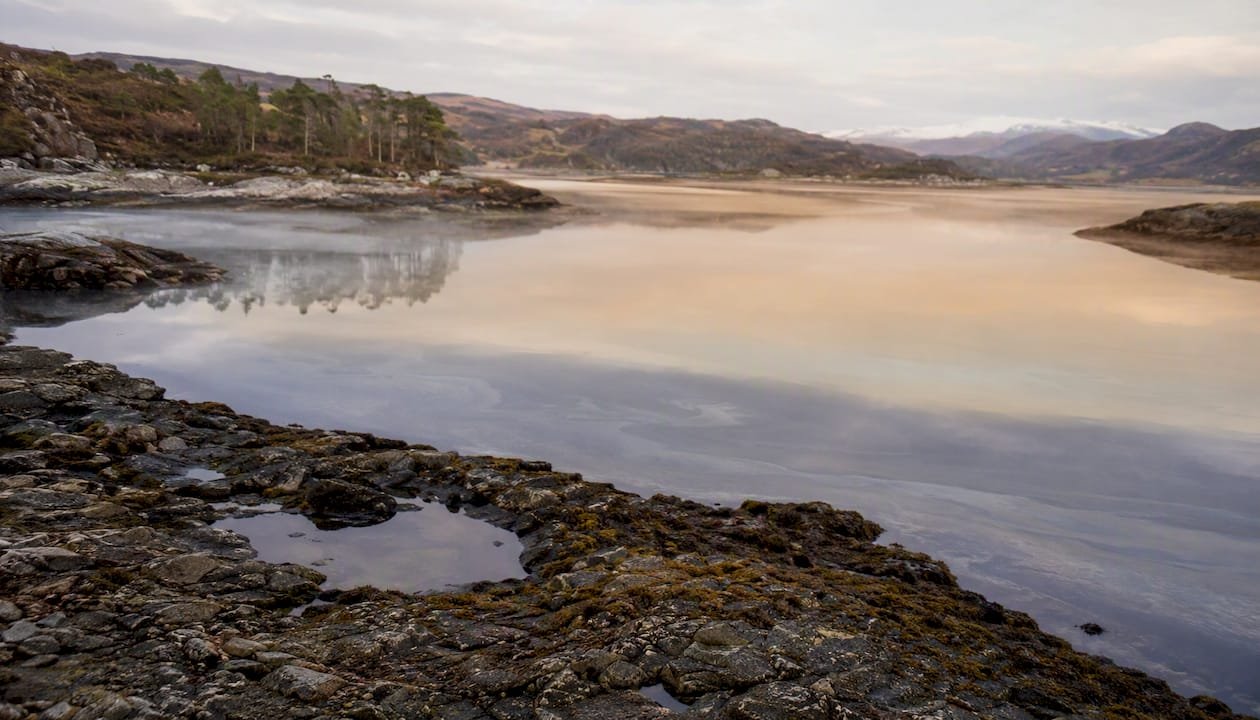
A sea loch is a tidal inlet of the sea, not a freshwater lake. Unlike Loch Ness or Loch Lomond, a sea loch rises and falls with the tide and typically carries a layer of lighter, peat-stained fresh water floating over denser salt water below, according to NatureScot. Scotland has scores of them carved into its west coast, but a handful stand out for scale, ecology, or sheer drama: Loch Fyne, Scotland’s longest; Loch Torridon, ringed by peaks over 900 metres; Loch Sunart, a protected marine reserve; and Loch Alsh, the narrow strait separating Skye from the mainland. Skyehighlandstours guides visitors into several of these waters as part of Highland touring routes. For the exhaustive catalogue, the full A–Z list sits further down this page.
Key Takeaways
Scotland’s sea lochs are tidal inlets shaped by glaciers, with Loch Fyne, Loch Torridon, Loch Sunart, and Loch Alsh standing out as the country’s most notable examples.
| Point | Details |
|---|---|
| Definition matters | A sea loch is tidal and connects to the sea, unlike freshwater lochs such as Loch Ness. |
| Loch Fyne leads on length | It stretches about 65 kilometres inland and is Scotland’s longest sea loch. |
| Loch Sunart shows protection in action | Its Marine Protected Area covers roughly 4,900 hectares, designated in 2014. |
| Full lists exist beyond this shortlist | The Wikipedia A–Z catalogue and BODC datasets cover every named sea loch and mapping layer. |
| Local guidance smooths tricky access | Skyehighlandstours routes visitors through sea lochs like Alsh and Duich with tide and weather knowledge built in. |
Table of Contents
- Examples of sea lochs in Scotland, grouped by region
- Where to find the complete A–Z list and maps
- How sea lochs form and what shapes them
- Why sea lochs matter for wildlife and where they’re protected
- Practical tips for visiting and studying sea lochs
- Book a guided route through Scotland’s sea lochs
- Sources
- FAQ
Examples of sea lochs in Scotland, grouped by region
Scotland’s sea lochs cluster into recognisable groups, and knowing the region tells you a lot about what you’ll find when you get there. Here’s a working list organised the way most geographers and guidebooks split them.
West coast and Argyll:
- Loch Fyne stretches roughly 65 kilometres inland, making it the longest sea loch in the country. It’s famous for oyster beds and its link through the Crinan Canal, and its Gaelic name, Loch Fìne, still appears on older maps.
- Loch Sween cuts into the Knapdale coast south of Fyne, a quieter, sheltered stretch popular with sailors avoiding the swell of the open Sound of Jura.
North-west Highlands:
- Loch Torridon runs about 25 kilometres through inner and outer basins, framed by the Torridon Hills. Few sea lochs anywhere pair such deep water with such vertical scenery.
- Loch Kirkaig, near Assynt, is one of the smallest named examples on this list. At just over 2 kilometres long and around 20 metres deep, it’s a compact, easy-to-reach case study for anyone comparing loch sizes, with the village of Inverkirkaig sitting at its head.
- Loch Creran sits further south near Oban, a narrow, shallow-mouthed loch known among divers for the horse mussel beds in its inner basin.
Skye and the Inner Hebrides:
- Loch Alsh separates Skye from the mainland and runs about 12 kilometres. The Kyle of Lochalsh and the Skye Bridge sit at its narrowest point, and the surrounding rock exposes the Moine Thrust Belt, a geological boundary studied by students well beyond Scotland.
- Loch Duich curls east from Loch Alsh towards Eilean Donan Castle, arguably the most photographed sea loch view in the country thanks to that castle silhouette against the water.
Clyde and the west mainland:
- Loch Sunart, between Morvern and Ardnamurchan, is Scotland’s clearest example of a sea loch functioning as a protected marine reserve, covered in detail below.
Each of these differs in scale and character, but they share the same defining trait: a tidal connection to open sea, distinct from the still, freshwater basins inland.
Where to find the complete A–Z list and maps
For an exhaustive rundown beyond this shortlist, the list of sea lochs of Scotland on Wikipedia compiles names alphabetically and is the easiest public reference for quick lookups. Researchers wanting bathymetry, survey metadata, or downloadable map layers should turn to the Catalogue of Scottish Sea-lochs held by the British Oceanographic Data Centre. One caveat worth knowing: Orkney and Shetland use different terms, “firths” and “voes,” for broadly similar tidal inlets, so cross-referencing definitions matters if you’re compiling your own list.
How sea lochs form and what shapes them
Sea lochs owe their shape to glaciers. Ice sheets scoured deep, narrow basins into the west coast during the last glaciation, leaving behind steep-sided fjord-like inlets, often with a shallow ridge, known as a sill, near the mouth. That sill matters more than it sounds: it restricts how easily deep water exchanges with the open sea, which is why some inner basins stay colder and more stable than the loch’s outer reaches.
The result is a distinctive layered structure:
- A surface layer of lighter, often peat-brown fresh water draining off the surrounding hills.
- A denser layer of saline seawater underneath, largely undisturbed except where tides and wind mix the two.
- Rainfall and tidal exchange can shift salinity quickly in specific pockets of a loch, which is one reason certain shellfish beds and cold-water species cluster in exactly the spots they do.
Picture a cross-section: a thin freshwater lens on top, a deep saline basin below, and a raised sill acting as a partial gatekeeper between the loch and the open ocean.
Why sea lochs matter for wildlife and where they’re protected
NatureScot describes the inner basins of many sea lochs as deep sea habitats close to shore, meaning species that would normally require a research vessel and hundreds of metres of cable are sometimes accessible within a short boat trip or even a dive at a marine resort. That accessibility is what draws divers and marine biologists to lochs like Creran and Sunart.
Typical communities found in these sheltered basins include:
- Flame shell beds, a fragile species that forms dense reef-like colonies on the seabed.
- Sponge and anemone communities that favour the still, low-light conditions of deep basins.
- Cold-water species that elsewhere would sit far deeper offshore.
Loch Sunart is the clearest protection example on this list. It was designated a Nature Conservation Marine Protected Area in 2014, covering roughly 4,900 hectares under an IUCN Category IV classification, specifically to safeguard its flame shell beds. Visitors and researchers should expect seasonal restrictions on anchoring and fishing gear in designated zones, so checking current guidance before launching a boat or dropping a line is worth the five minutes it takes.
Practical tips for visiting and studying sea lochs
Planning a trip to a sea loch, whether for photography, kayaking, or fieldwork, comes down to a short checklist:
- Check tide tables first. Sea lochs rise and fall with the tide, and narrow points can run fast currents at certain stages.
- Confirm access points. Many lochs, especially in Assynt or Ardnamurchan, have limited road access; a local map or a guide saves wasted driving.
- Watch the weather window. West coast conditions change quickly, and visibility in narrows like Loch Alsh can shift within an hour.
- Pack for shore-based or water-based observation separately. Binoculars and a stable footing suit shore viewing; a dry suit and local knowledge matter more for kayaking or diving.
Local guides earn their keep on the trickier stretches. Skyehighlandstours works these routes regularly and knows which bays hold seals at low tide, which narrows run a dangerous current, and which sea loch photography spots catch the best light without a three-hour hike.
Pro Tip: Tideswept channels like the Kyle of Lochalsh can run several knots at peak tide, strong enough to push a sea kayak off course. Always check local tide times before entering a narrows, and if in doubt, time your crossing for slack water.
For paddlers wanting a fuller route breakdown, our guide to sea kayaking highlights around Scotland covers specific put-in points and safety notes.
A guide’s view from the water
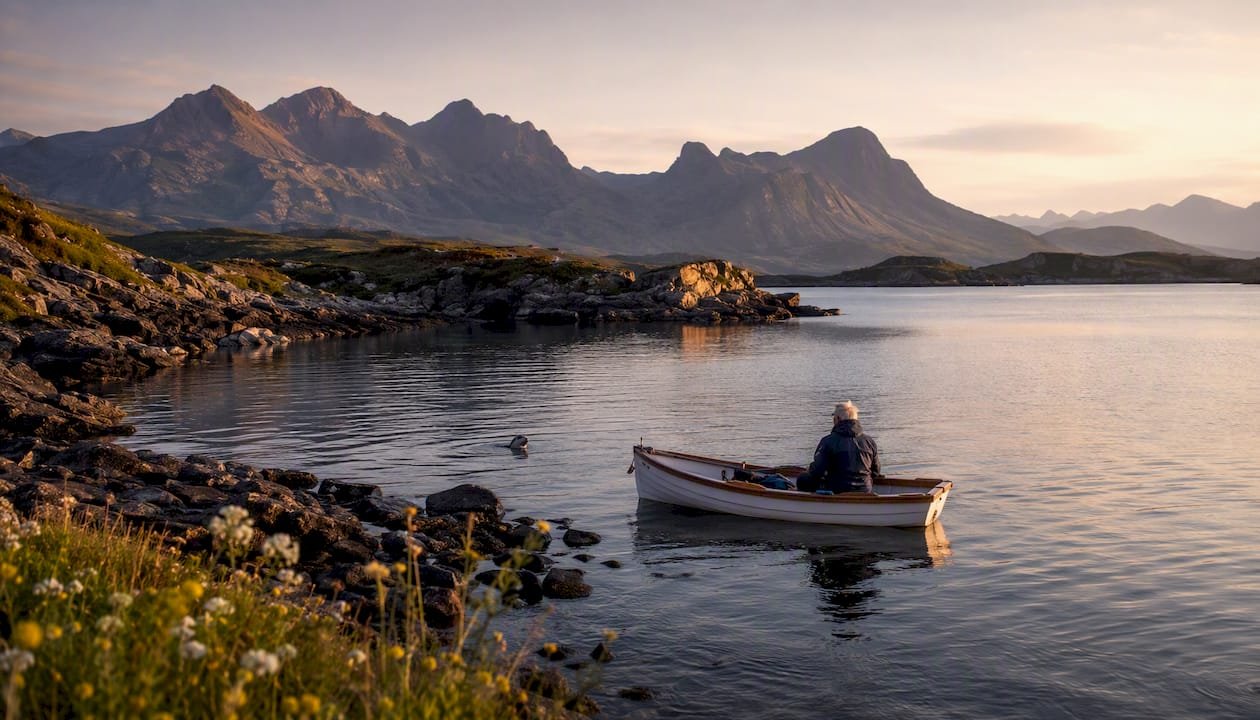
One of the best introductions to a sea loch isn’t a map at all, it’s the moment a boat rounds a headland into Loch Scavaig below the Cuillin, engine cut, and the only sound left is water against rock and the occasional seal surfacing nearby.
Book a guided route through Scotland’s sea lochs
Reading about Loch Sunart’s flame shell beds or Loch Alsh’s tidal narrows is one thing; getting there safely, at the right tide, with someone who knows which bay actually has seals that afternoon, is another. Skyehighlandstours builds private Highland itineraries that route past sea lochs like these as part of wider day tours, so you’re not stitching together ferry times and tide tables on your own.

A guided route typically includes:
- Private transport between loch access points and other Highland stops.
- Local commentary on wildlife, geology, and history along the way.
- Flexible itineraries built around your group size, pace, and interests.
Whether you want a half-day detour to Loch Duich for the castle view or a fuller route through the Scottish Highlands, check available dates and get a tailored quote through Skyehighlandstours.
Sources
For deeper study, start with NatureScot’s sea lochs overview for habitat detail, the BODC catalogue for mapping data, and the Wikipedia A–Z list for full name coverage, alongside the individual Loch Fyne and Loch Sunart entries used throughout this piece.
- NatureScot — Sea lochs
- Catalogue of Scottish Sea-lochs — BODC
- List of sea lochs of Scotland — Wikipedia
- Loch Fyne — Wikipedia
FAQ
What are some examples of sea lochs in Scotland?
Notable examples include Loch Fyne, Loch Torridon, Loch Sunart, Loch Alsh, Loch Sween, Loch Kirkaig, Loch Creran, and Loch Duich, each spread across different regions of the west coast and Highlands.
What is the difference between a loch and a sea loch?
A loch can be either freshwater or tidal; a sea loch specifically connects to the ocean and rises and falls with the tide, while a standard freshwater loch like Loch Lomond does not.
What are the names of some well-known lochs in Scotland?
Beyond the sea lochs listed here, Scotland’s freshwater lochs include Loch Ness, Loch Lomond, and Loch Awe, though these lack the tidal connection that defines a sea loch.
What defines a sea loch?
A sea loch is defined by its tidal connection to open water and, often, a layered structure of fresh water sitting over denser seawater, a pattern NatureScot documents across most Scottish examples.
Does Skyehighlandstours offer tours to sea lochs?
Yes, Skyehighlandstours routes private Highland tours past sea lochs including Loch Alsh and Loch Duich, combining local tide and weather knowledge with flexible itineraries.
Recommended
- Scotland sea kayaking highlights: top routes for paddlers – Skye Highlands Tours
- Scotland’s unique scenic spots list: 10 hidden gems – Skye Highlands Tours
- Top things to do at Loch Ness: must-see spots and experiences – Skye Highlands Tours
- Discover Loch Ness: Myths, Heritage & Guided Tours – Skye Highlands Tours