
Your cart is empty Continue Shopping
How to customise Highland itineraries for your trip
A personalised Highland itinerary is a day-by-day travel plan shaped entirely around your interests, pace, and physical preferences rather than a generic tourist checklist. Knowing how to customise Highland itineraries before you book anything is the single most effective way to avoid the exhaustion, rushed visits, and wasted driving time that plague first-time visitors to the Scottish Highlands. The process draws on tools like Google Maps, seasonal calendars, and local expertise to balance iconic stops such as the Isle of Skye and Loch Ness with quieter, off-the-beaten-track discoveries. Done well, it transforms a good trip into a genuinely memorable one.
How to customise Highland itineraries: what you need before you start
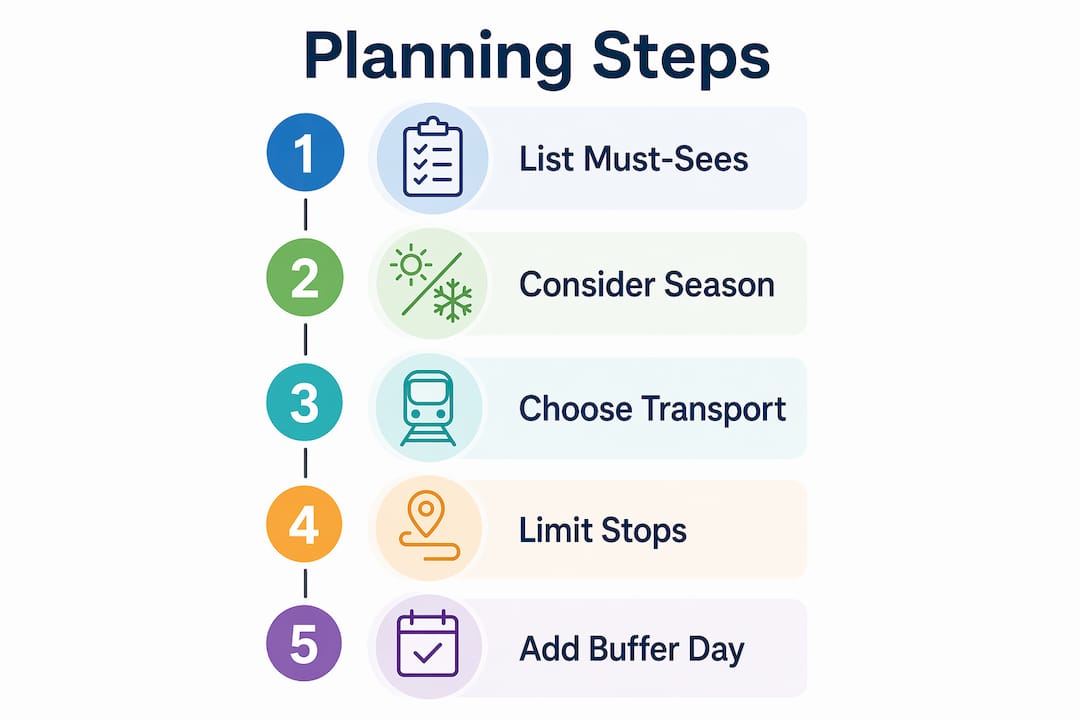
Professional itinerary planners start with hard constraints and soft preferences before drafting a single route. You should do the same. Before you open a map or browse accommodation, answer four questions: How many days do you have? What is your physical ability and preferred pace? What experiences are non-negotiable? And how do you plan to travel?
Seasonality shapes everything. Spring brings lambing season and wildflowers across Glencoe and the Black Isle, while late autumn to early spring offers the best chance of seeing the Northern Lights above Loch Ness. Summer delivers long daylight hours but also peak crowds and the highest accommodation prices. Skye accommodation sells out months in advance in July and August, so book three to six months ahead for peak season and four to six weeks ahead for shoulder months.
Transport choice is the next decision. A self-drive hire car gives you the most freedom in rural areas, but hybrid transport planning works well too. Use trains between Edinburgh and Inverness, then hire a car only for the rural and island sections. This cuts costs and reduces fatigue on long travel days.
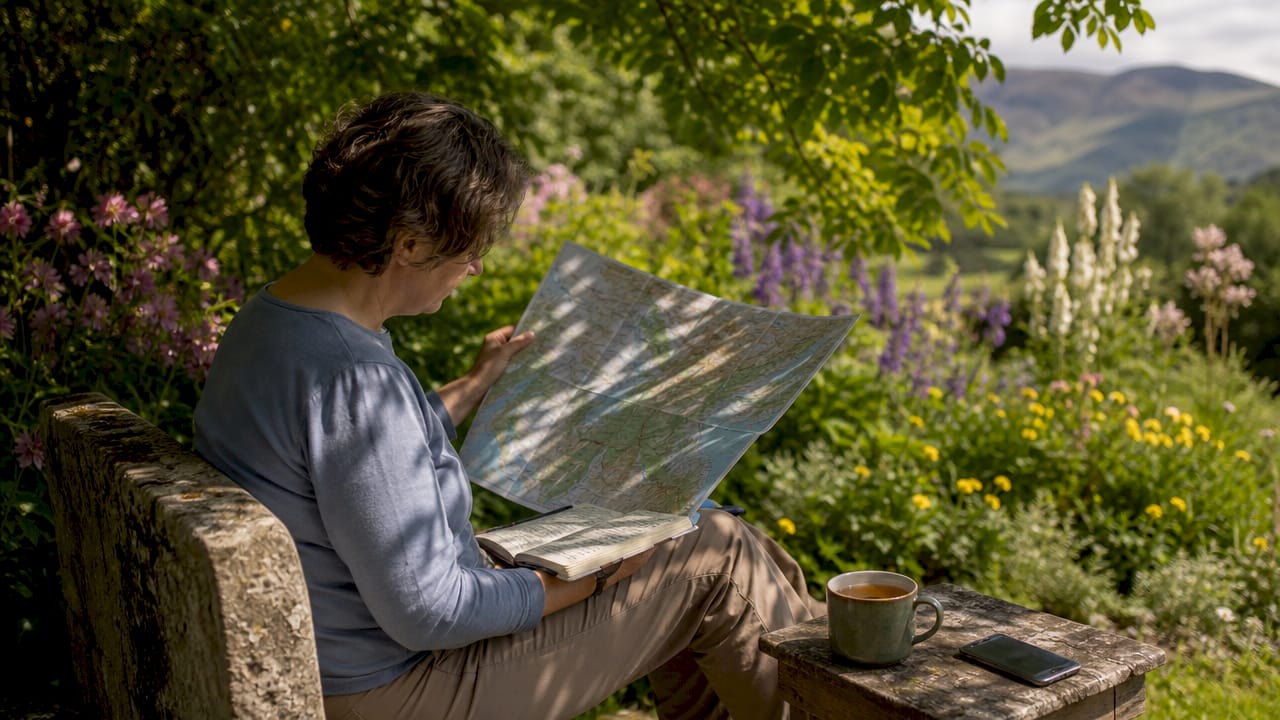
Pro Tip: Write a shortlist of five to eight must-see destinations or experiences before you touch a map. This list becomes your anchor when you are tempted to overload the schedule later.
Here is a quick reference for the key planning inputs:
| Planning factor | What to decide |
|---|---|
| Trip duration | Minimum five days for Skye alone; seven to ten days for a broader Highland circuit |
| Season | Summer for long days; spring or autumn for fewer crowds and lower prices |
| Transport mode | Self-drive, hybrid train and car hire, or private guided tour |
| Physical pace | Number of walking hours per day; mobility requirements for terrain |
| Booking window | Three to six months ahead for peak summer; four to six weeks for shoulder season |
How do you design a practical Highland route without overloading it?
The most common mistake in custom highland travel plans is treating the map like a to-do list and ticking off locations without accounting for travel time. Fifty miles in the Highlands can take two hours or more because of winding single-track roads, passing places, and tourist traffic. A route that looks manageable on Google Maps often is not.
Follow these steps to build a route that works in practice:
- Cluster destinations geographically. Group the Isle of Skye, Eilean Donan Castle, and Glenfinnan Viaduct together as one base zone. Group Inverness, Loch Ness, and the Black Isle as another. Moving between clusters should happen no more than once every two to three days.
- Add 20 to 30 per cent to every Google Maps estimate. Adding this buffer to Highland driving times is standard best practice. A journey shown as two hours and fifteen minutes will realistically take closer to three hours in summer.
- Limit yourself to two or three base locations. Every time you change accommodation, you lose at least half a morning to packing, checking out, and settling in. Fewer bases mean more time exploring.
- Build in at least one buffer day per five days of travel. Buffer days add flexibility for weather changes, spontaneous detours, and genuine rest. The Highlands reward slow travel.
- Compare two or three saved route versions before committing. Save each option in Google Maps or Maps.me and compare total driving time, number of stops, and logical flow. The shortest route is rarely the best one.
Pro Tip: Plan no more than two major stops per day. In the Highlands, one spectacular location explored properly beats three locations rushed through.
| Route approach | Pros | Cons |
|---|---|---|
| Linear north-to-south or reverse | Logical flow, no backtracking | Less flexibility if you want to revisit a zone |
| Hub-and-spoke from one base | Minimal packing, deeper local knowledge | Limits geographic range per trip |
| Loop circuit (e.g., NC500 section) | Scenic variety, no repeated roads | Requires more driving days to do properly |
What are the common pitfalls in Highland itinerary planning?
Underestimating travel times is the single most frustrating mistake in Highland trip planning, and it cascades into every other part of the schedule. When one drive takes longer than expected, the next stop gets shortened, dinner is missed, and the whole day feels stressful rather than enjoyable.
Watch out for these specific traps:
- Cramming too much into one week. Trying to combine the NC500, Edinburgh, the Isle of Skye, and Glencoe in seven days causes exhaustion. The NC500 alone needs at least five days to feel enjoyable rather than frantic.
- Booking accommodation too late. Popular spots on Skye and near Loch Ness fill up quickly. Leaving bookings until four to six weeks before a summer trip often means settling for second-choice locations or long detours to available rooms.
- Ignoring physical limits. A day that includes a three-hour hike, a two-hour drive, and a distillery tour sounds great on paper. In practice, most travellers are exhausted by mid-afternoon and cannot enjoy the final activity.
- Skipping downtime. Rest days are not wasted days. They are the moments when you stumble across a local pub, a hidden waterfall, or a conversation with a crofter that becomes the highlight of the trip.
The best Highland itineraries are not the ones that visit the most places. They are the ones that leave room for the unexpected.
If you find that your preferred accommodation or a specific tour is fully booked at short notice, contact the provider directly and ask about cancellations. Many popular Skye guesthouses maintain a waiting list. Alternatively, shift your base by ten to fifteen miles and use that location as a day-trip hub instead.
Which personalisation options make a Highland itinerary truly yours?
The difference between a generic Highland trip and a genuinely personal one comes down to the specific experiences you weave into the structure. Providing details about pace, dietary needs, mobility, and special occasions to any planner or tour operator dramatically improves the accuracy of what you receive back.
Consider these personalisation layers:
- Themed experiences. Whisky lovers can build a route around Speyside distilleries such as Glenfiddich and Macallan, or include the Talisker Distillery on Skye. Castle enthusiasts can anchor stops around Eilean Donan, Urquhart, and Dunvegan. Hikers can prioritise the Quiraing, the Fairy Pools, and the Torridon mountains.
- Pace adjustments. Travellers with limited mobility or young children benefit from personalised itineraries that replace long hikes with scenic drives, boat trips on Loch Ness, or shorter coastal walks with dramatic views.
- Cultural and culinary depth. Include at least one evening at a local restaurant serving Scottish seafood, a visit to a working croft, or attendance at a Highland Games event if the timing aligns. These experiences are rarely on standard tour lists but are consistently the ones travellers remember most.
- Accommodation style. A stay in a traditional Highland cottage near Torridon feels entirely different from a hotel in Inverness city centre. Matching accommodation to your travel personality is as important as matching the destinations.
- Private guided tours. For travellers who want expert local knowledge without the effort of self-planning, private Highland tours offer fully bespoke itineraries with a guide who knows which viewpoint is empty at 7am and which road floods after heavy rain.
Pro Tip: Check the seasonal highlights calendar before finalising dates. Aligning your trip with a whisky festival, Highland Games, or the wildflower bloom adds a layer of experience that no amount of extra destinations can replicate.
What I have learned from planning Highland itineraries
After years of helping travellers shape their Scottish Highlands experiences, the pattern I see most often is this: people plan for the Highlands they imagined rather than the Highlands that exist. The imagined version has perfect weather, empty roads, and effortless transitions between locations. The real version has mist on the Quiraing, a queue at the Fairy Pools car park, and a single-track road that adds forty minutes to a journey you thought would take twenty.
That is not a criticism. It is the character of the place. The Highlands reward travellers who build their plans around reality rather than optimism. The most satisfying trips I have seen are the ones where someone chose three or four locations and went deep rather than skimming across ten in a week.
I also think the instinct to fill every hour is worth resisting. Some of the best moments in the Highlands happen when you have nowhere to be. A spontaneous stop at a roadside loch, a conversation with a local shepherd, or simply sitting with a dram watching the light change over a glen. These moments do not appear in any itinerary. They appear when you leave space for them.
If you are planning your first Highland trip, I would encourage you to read about how tailored tours transform trips before you commit to a fully self-planned route. Sometimes the most flexible thing you can do is hand the logistics to someone who knows the roads.
— Alin
Let Skyehighlandstours build your custom Highland plan
Planning a Highland itinerary from scratch takes time, local knowledge, and a clear understanding of what the roads, weather, and booking windows actually demand. Skyehighlandstours specialises in exactly this.
The team at Skyehighlandstours creates personalised Scottish Highlands itineraries built around your interests, pace, group size, and travel dates. Whether you want a whisky-focused day tour, a family trip to Loch Ness and the Glenfinnan Viaduct, or a specialised private experience across the Isle of Skye, every detail is shaped to your preferences. You keep full control over final bookings while gaining the benefit of expert local knowledge that takes years to accumulate.
FAQ
How far in advance should I book a Highland itinerary?
Book accommodation and guided tours three to six months ahead for peak summer travel in July and August. For shoulder months such as May, June, or September, four to six weeks is usually sufficient, though popular Isle of Skye properties fill quickly regardless of season.
How long does a Highland itinerary need to be?
A minimum of five days is needed to explore the Isle of Skye properly. A broader Highland circuit covering Loch Ness, Glencoe, and the Black Isle comfortably requires seven to ten days. Attempting the NC500 in fewer than five days consistently leads to rushed visits and driver fatigue.
How do I account for driving time in the Highlands?
Add 20 to 30 per cent to every Google Maps estimate for Highland roads. Fifty miles can take two hours or more on single-track roads. Plan no more than two to three hours of driving per day to leave time for stops and unexpected delays.
Can I customise a Highland itinerary around a specific interest?
Yes. Whisky tours, castle routes, hiking circuits, and wildlife-watching itineraries are all viable frameworks for a Highland trip. The key is to identify your primary interest first, then build the route around the locations that serve it best, rather than trying to include everything.
What is the best way to handle unpredictable Highland weather?
Build at least one buffer day into every five-day itinerary. Identify indoor alternatives for each outdoor activity, such as a distillery visit or a local museum, so that a rainy day does not derail the schedule. Flexibility in accommodation booking terms also helps significantly.
Key takeaways
A personalised Highland itinerary built around realistic driving times, clustered destinations, and your specific interests will always outperform a generic route that tries to cover too much ground.
| Point | Details |
|---|---|
| Start with constraints | Define trip length, pace, transport mode, and must-see experiences before touching a map. |
| Add a time buffer | Add 20 to 30 per cent to all Google Maps driving estimates on Highland roads. |
| Cluster destinations | Group nearby locations into base zones to reduce packing fatigue and wasted travel time. |
| Personalise the experience | Align stops with specific interests such as whisky distilleries, castles, or hiking trails for a more memorable trip. |
| Book early for summer | Secure Isle of Skye and Loch Ness accommodation three to six months ahead to avoid limited options. |
Recommended
- How to plan a personalized Scottish Highlands itinerary – Skye Highlands Tours
- How to choose Scottish Highlands destinations wisely – Skye Highlands Tours
- How tailored tours transform your Scottish Highlands trip – Skye Highlands Tours
- How to Arrange Birthday Trips to the Highlands – Skye Highlands Tours
9 Comments